

Atomic Filmmakers - Hollywood's Secret Film Studio
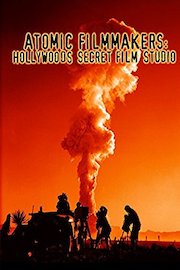
Atomic Filmmakers - Hollywood's Secret Film Studio

Where to Watch Atomic Filmmakers - Hollywood's Secret Film Studio

Atomic Filmmakers - Hollywood's Secret Film Studio is a gripping, eye-opening, and thought-provoking documentary that lays bare the secret partnership between the American military and Hollywood during the Cold War. This alliance was formed to create films that both documented nuclear tests and created propaganda to mold public opinion. This captivating film plunges the audience into the perilous times and intriguing secrets of the nuclear age, showcasing how the film industry played an integral role in shaping perceptions about nuclear technology.
Directed by Peter Kuran, well-known for his technical expertise in visual effects, the documentary unravels and uncovers the hidden world of atomic movie making. It retells the extraordinary story of the professional Hollywood filmmakers and military personnel who secretly filmed more than 6,500 nuclear weapon tests between 1945 and 1962.
Ironically, these atomic filmmakers consisted of some of the best film talents of that time, most of whom had already worked for reputable studios in Hollywood. Despite working on top secret projects, these unsung heroes never gained any recognition because of the top-secret nature of their jobs. The film goes behind the scenes to highlight the relentless dedication and courage of these filmmakers.
The documentary primarily revolves around the secret film studio located at Lookout Mountain Air Force Station in Laurel Canyon, Los Angeles. This studio was unique, ethereal, and unlike any other Hollywood studio, complete with filming, processing, and editing facilities. It was here that a wealth of unseen footage was created, showcasing the devastating capacity of nuclear weapons.
Atomic Filmmakers offers viewers a chance to witness an incredible collection of declassified film footage. This compilation displays a range of nuclear blasts from various angles and perspectives, revealing the haunting beauty and terrifying power of nuclear explosions.
The film also presents interviews with the surviving filmmakers and military personnel involved, offering first-hand accounts of their experiences and perspectives on the project. Each tale is fascinating in its own right, telling stories of danger, excitement, fear, and the challenges they faced. It's a testament to the courage and conviction of these individuals who exposed themselves to significant dangers to record this historic footage.
What makes this documentary more intriguing is the ethical ambiguity. As viewers watch the beautiful yet destructive visuals, they will grapple with the contention between the aesthetic attractiveness of the mushroom clouds and the horrific destruction they represent. This paradox beautifully encapsulates the lure and threat of nuclear power.
Moreover, it's fascinating how the documentary highlights the impact and importance of visual imagery in shaping public perceptions and attitudes. The carefully crafted pieces of atomic cinema didn't just document nuclear tests but also played a crucial part in creating a narrative around them. They conveyed a message about the supposed necessity and value of the weapons program in the face of a perceived global threat.
Despite its historical setting, Atomic Filmmakers remains highly relevant in today's world. It provides essential insights into the use of film as propaganda, insightful for understanding contemporary discussions around media manipulation and public perspective molding.
Apart from its historical and political facets, Atomic Filmmakers - Hollywood's Secret Film Studio also carries some serious environmental undertones. It briefly touches upon the consequences of nuclear testing, subtly inviting viewers to consider the long-term effects of such destructive power, and to question the ethical side of these tests.
In conclusion, Atomic Filmmakers - Hollywood's Secret Film Studio is more than just a historical documentary. It's a peek into a unique intersection of cinema, military, and politics. It serves as a stark reminder of the power of film, while also shedding light on a hitherto unknown chapter in Hollywood's history. It's a must-watch for historians, film enthusiasts, and anyone interested in understanding the complex socio-political panorama of the Cold War era and beyond. A visually stunning, thought-provoking, and deeply engaging film, it will give you a new perspective on the power of movie-making.