

After The Factory
After The Factory
 7.4/10
Where to Watch After The Factory

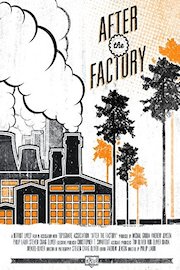
After The Factory is a 2012 drama that unfolds in the backdrop of a post-industrial world, examining the lives and relationships of its characters as they grapple with the complexities of loss, redemption, and the search for meaning in a rapidly changing society. Directed by a talented filmmaker, this evocative narrative draws viewers into a deeply emotional landscape that explores themes of dislocation, survival, and the haunting memories of what once was.
Set against the stark realities of a factory town on the decline, the film centers around a group of individuals whose lives intersect in profound ways. Each character is marked by their past, carrying the weight of their experiences as they navigate the remnants of a vibrant community transformed by economic challenges and personal struggles. The factory, once the lifeblood of the town, looms large in their collective memory, serving as a powerful symbol of both prosperity and the eventual decline that has left its inhabitants grappling for a sense of identity.
The protagonist, whose life is shattered by the closing of the factory, embodies the struggle of many who find themselves in similar circumstances. Faced with the loss of not just a job but also a sense of purpose, they embark on a journey filled with uncertainty. This character’s attempt to forge a new path leads to various encounters that illuminate different perspectives on resilience and hope. As they navigate their emotional landscape, the viewer is invited to witness the highs and lows of their quest for stability and meaning.
A notable aspect of After The Factory is its rich character development. Each character, whether a factory worker, a family member, or a longtime resident of the town, reflects different facets of the community's decline. The film deftly explores familial relationships strained by financial insecurity and the quest for personal fulfillment, illustrating how the factory's closure reverberates throughout their lives. Viewers will find themselves invested in the intricacies of these relationships, as love, estrangement, and reconciliation become central to the narrative.
The cinematography captures the somber beauty of the industrial landscape, using muted colors and haunting imagery that mirror the emotional weight of the story. Scenes set in and around the derelict factory evoke a sense of nostalgia and loss, compelling the audience to reflect on the passage of time and the impact of industrialization on human lives. The haunting score complements the visual storytelling, adding depth to moments of introspection and shared experience.
In addition to exploring personal narratives, After The Factory also addresses broader societal issues stemming from economic decline. The film portrays the struggles of the working class as they confront unemployment, the erosion of community, and the search for dignity in a world that seems increasingly indifferent to their plight. It serves as a poignant commentary on the socio-economic challenges faced by many in contemporary society, while also offering glimmers of hope amidst despair.
As the characters grapple with their new realities, themes of resilience and reinvention emerge. The film does not shy away from depicting moments of despair but balances these with instances of human connection and camaraderie. Through shared experiences, the characters find solace and strength in one another, highlighting the importance of community and support during turbulent times. These moments of connection serve as a reminder that even in the face of adversity, hope can be nurtured through relationships and shared understanding.
After The Factory ultimately invites viewers to reflect on their own connections to work, identity, and community. The characters' struggles resonate on a universal level, encouraging a thoughtful examination of the consequences of industrial change and the enduring search for purpose in life. The film resonates with anyone who has faced the dislocation of economic change or the existential questions that often accompany it.
In conclusion, After The Factory is a hauntingly beautiful exploration of the human experience in the wake of economic upheaval. With its strong character development, evocative cinematography, and poignant thematic depth, the film leaves a lasting impression on viewers, prompting introspection about the nature of resilience, the importance of community, and the quest for meaning in the face of life's challenges. Through the lens of its characters, the film speaks to the universal struggle for identity and belonging in an ever-evolving world, making it a significant contribution to contemporary cinema.
7.4/10