

A Preponderance of Evidence
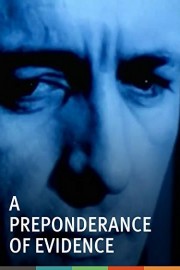
A Preponderance of Evidence

Where to Watch A Preponderance of Evidence

A Preponderance of Evidence is a captivating courtroom drama released in 1989, directed by the talented Paul Schneider. The film draws viewers into the complex world of legal battles, moral dilemmas, and the quest for truth. It showcases gripping performances and a layered narrative that explores the intricacies of justice and the human condition.
Set against the backdrop of a high-stakes murder trial, the story revolves around the character of attorney John F. Ralston, played by the compelling David Keith. Ralston finds himself embroiled in a legal maelstrom, as he takes on the defense of a man accused of a heinous crime. The accused, portrayed by a fresh-faced actor in a performance that elicits both sympathy and skepticism, becomes a focal point of contention not only for Ralston but also for the entire legal system.
As the case unfolds, Ralston grapples with the weight of the evidence presented against his client. The tension is palpable as various witnesses step into the courtroom, revealing snippets of information that cast doubt on both the innocence and guilt of the defendant. Through skillful storytelling, the film delves into the conflicting feelings of doubt, trust, and moral responsibility that weigh heavily on Ralston, who is determined to fulfill his duty as a lawyer while wrestling with his own ethical beliefs.
A Preponderance of Evidence doesn’t shy away from the realities of the legal process. It meticulously portrays the challenges faced by defense attorneys, especially when the evidence appears insurmountable. The film effectively highlights the theme of “innocent until proven guilty,” urging the audience to consider the complexities of the legal system. The dialogues are sharp and insightful, prompting viewers to question the nature of justice and the role it plays in society.
The film’s cinematography serves to enhance the emotional weight of the narrative. The courtroom sequences are shot with a palpable intensity, capturing the suspense and drama inherent in legal proceedings. The camera work invites viewers to feel as if they are right there in the courtroom, experiencing the unfolding drama alongside the characters. Each objection, each cross-examination carries a heightened sense of urgency, bringing the stakes to life in a way that is both entertaining and thought-provoking.
Supporting characters in A Preponderance of Evidence contribute to the film’s rich tapestry. The prosecutor, a formidable opponent with a steely resolve, is portrayed with complexity, bringing to light the personal motivations that drive her quest for justice. The interactions between the defense and prosecution become a game of chess, with each character making strategic moves that reveal their underlying motivations and vulnerabilities. The chemistry among the cast adds depth to the interactions, allowing for moments of tension as well as unexpected camaraderie.
Another notable aspect of the film is its exploration of the impact of the media on the justice system. The characters navigate the public's perception of the case, influenced by sensationalized coverage and the relentless quest for a story. This meta-commentary on societal expectations and the role of the media in shaping narratives adds an additional layer of intrigue, prompting viewers to reflect on how public opinion can sway legal outcomes.
Moreover, A Preponderance of Evidence delves into the personal lives of its characters, showcasing how their professional responsibilities often intertwine with their personal beliefs and challenges. Ralston's commitment to the case threatens to strain his relationships outside the courtroom, illustrating the sacrifices attorneys make in pursuit of justice. The film paints a nuanced picture of the struggle lawyers face, making choices that challenge their integrity and personal lives.
The pacing of the film is concise yet deliberate, allowing the audience to absorb the evolving dynamics at play. Moments of tension are interspersed with quieter scenes that reveal the characters’ backstories. These elements work together to create a comprehensive understanding of what’s at stake for everyone involved.
In conclusion, A Preponderance of Evidence is a thought-provoking exploration of justice, morality, and human fallibility within the framework of a courtroom drama. With a compelling lead performance, a rich array of supporting characters, and a narrative that challenges viewers to think critically about the legal system, the film captivates its audience from beginning to end. The tight direction, keen attention to detail, and insightful dialogues make it a powerful commentary on the dilemmas faced by those who uphold the law while grappling with personal and professional ethics. As the story unfolds, viewers are left to contemplate the ultimate question: what is the true meaning of justice?