

A Morning Alarm
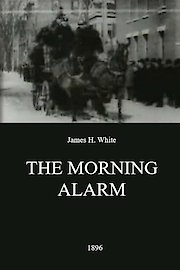
A Morning Alarm
 4.9/10
Where to Watch A Morning Alarm

A Morning Alarm is a charming short film released in 1896 that exemplifies the early days of cinema and the burgeoning innovations of motion pictures. Directed by the pioneering filmmaker Georges Méliès, this silent film captures the whimsical atmosphere and comedic antics that characterized many of his works. Though brief in duration, it encapsulates a slice of everyday life infused with a sense of humor and inventive storytelling that delights audiences even today.
The film opens with a portrayal of a drowsy morning routine, a familiar scene that resonates with anyone who has ever struggled to wake up on time. The setting is a quaint bedroom, filled with period-specific furnishings that paint a picture of a late 19th-century domestic space. The atmosphere is serene but tinged with the anticipation that comes from the sound of a blaring alarm bell—a classic symbol of waking life and the impending responsibilities of the day.
As the scene unfolds, the protagonist—a gentleman often characterized by his top hat and morning suit—sleeps soundly in bed, blissfully unaware of the chaos about to ensue. The camera captures his peaceful slumber, highlighting the contrast between his tranquil state and the energetic world outside. At the center of the film's action is a large alarm clock placed prominently on the bedside table, a key element that signals the transition from sleep to wakefulness.
When the clock strikes the hour, its loud ringing reverberates through the room, cutting through the silence with an urgency that jolts the gentleman awake. The alarm itself takes on a character of its own, embodying the persistent nature of time and obligation. In this moment, Méliès employs his mastery of special effects and theatrical techniques to magnify the alarm's sound and impact, crafting a tone that is both comical and slightly surreal.
Upon awakening, the protagonist attempts to rise from his bed, but chaos ensues almost immediately. The comedic elements become prominent as the gentleman struggles with the overwhelming effects of the alarm. His disorientation and frantic attempts to get ready depict a relatable comedy of errors—the universal struggle with mornings that many viewers can identify with. This aspect of the film not only serves to entertain but also elicits empathy for the character's predicament.
The visuals seamlessly meld with the physical comedy showcased by the gentleman. He fumbles with his clothes, stumbles about the room, and engages in a series of slapstick scenarios that are both humorous and cleverly choreographed. The exaggerated expressions and movements, a hallmark of silent film acting, are utilized to convey his frustration and haste without the need for dialogue. This silent form of storytelling allows for a broad appeal, as the clarity of the performance transcends language barriers.
As the gentleman continues to navigate his chaotic morning, additional characters briefly enter the scene, adding to the comedic ensemble. These supporting figures contribute to the film's lively atmosphere, enhancing the narrative's frenetic energy. Each character briefly interacts with the protagonist, propelling the humor forward and further illustrating the absurdity of morning routines. The ensemble cast showcases a delightful variety of expressions and actions, reinforcing the film's playful spirit.
Visually, A Morning Alarm is marked by its meticulous attention to detail, characteristic of Méliès’ filmmaking style. The sets are carefully crafted, offering an authentic glimpse into the lifestyle of the time. The use of props, such as the oversized alarm clock, is not only functional but also visually striking, making it a focal point of the narrative. The film’s production values display a sense of creativity that resonates with audiences, inviting them into this playful world of early cinema.
The film’s pacing is brisk, with rapid transitions that maintain the viewer's engagement and reflect the imminent pressures of time. Méliès employs innovative editing techniques that serve to heighten the comedic tension, creating a seamless flow from scene to scene. The resulting work is a continuous cycle of humor, mischief, and liveliness that captures the essence of the modern morning experience in a lighthearted manner.
Ultimately, A Morning Alarm is more than just a simple tale of a man trying to get out of bed; it embodies the spirit of innovation that defined the early days of film. Through its clever use of visual comedy, engaging characters, and relatability, it offers a delightful exploration of the trials and tribulations of waking up, appealing to both contemporary and historical audiences alike. As one of the many gems from the silent film era, it stands as a testament to the art of storytelling through motion and the timeless challenge of conquering the morning.
4.9/10