

A History of Paris Lecture 3 of 6 Catastrophes and Triumphs
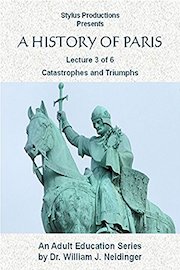
A History of Paris Lecture 3 of 6 Catastrophes and Triumphs

Where to Watch A History of Paris Lecture 3 of 6 Catastrophes and Triumphs

A History of Paris Lecture 3 of 6: Catastrophes and Triumphs, featuring the engaging Dr. William J. Neidinger, invites viewers to embark on a profound journey through the intricate tapestry of Parisian history. This lecture, as part of a comprehensive series, focuses on the significant events that shaped the City of Light, revealing the paradoxes between its moments of despair and its incredible resilience.
Dr. Neidinger, with his extensive knowledge and passion for history, serves as the ideal guide through this exploration of both catastrophic events and remarkable triumphs in Paris. His engaging narrative style captures the audience from the outset, making complex historical events accessible and relatable. As an esteemed historian, Dr. Neidinger not only presents facts but also offers thoughtful interpretations, encouraging viewers to consider the broader implications of these historical moments.
The lecture situates itself within a larger historical context, detailing how Paris has acted as a crucible for human suffering and triumph, often simultaneously. The audience witnesses the impact of pivotal calamities such as wars, revolutions, and natural disasters that have left indelible marks on the city's character. Yet, alongside these dark chapters, the lecture shines a light on the human spirit's capacity for recovery and innovation.
Dr. Neidinger delves into some of the major catastrophes that have plagued Paris throughout its storied past. He unpacks the intricacies of events such as the French Revolution, which not only served as a societal upheaval but also transformed Paris into a stage for new ideologies and political thought. The lecture emphasizes how this period, while filled with violence and uncertainty, catalyzed the emergence of modern democratic ideals, shaping the future of not just Paris, but the world.
Particular attention is dedicated to the two World Wars, exploring their devastating effects on the city and its inhabitants. Dr. Neidinger paints a vivid picture of a Paris under siege, capturing both the physical destruction and the psychological toll on its citizens. Yet, from these dark times, he highlights remarkable stories of resilience, courage, and solidarity that emerged, portraying how Parisians rallied around each other to reclaim their city and identity.
The narrative extends beyond the wars to include other calamities, such as the catastrophic fires and riots that have marked the city’s history. Each incident serves as a backdrop for discussions on how Paris has been able to rebuild and redefine itself, showcasing its history as one of continuous evolution rather than a series of static events. This perspective fosters a deeper understanding of the city’s transformative power, emphasizing that out of chaos can emerge creativity and strength.
Triumphs are equally celebrated in this lecture. Dr. Neidinger highlights periods of cultural flourishing that have defined Paris as a center for art, literature, and intellectual thought. The post-war years, for example, are depicted as a time when Paris reinvented its image on the global stage, becoming synonymous with innovation and creativity. The lecture elucidates how figures from diverse disciplines were drawn to the city, contributing to a renaissance that shaped modern culture.
Moreover, the lecture sheds light on some lesser-known stories and individuals whose impact on Paris history is profound yet often overlooked. Through personal anecdotes and narratives, Dr. Neidinger emphasizes the importance of individual agency amidst broader historical currents, reminding audiences that history is not just a chronicle of events but a compilation of human experiences and choices.
Throughout Lecture 3 of 6, the visuals complement Dr. Neidinger's compelling storytelling, featuring a blend of archival footage, historical images, and modern-day Parisian landscapes. This multimedia approach enriches the lecture experience, allowing viewers to connect deeply with the material. They can witness the physical remnants of the past juxtaposed with the vibrant, living city of today, further enforcing the theme of resilience and rebirth.
A History of Paris Lecture 3 of 6: Catastrophes and Triumphs serves not only as an educational experience but as a reflection on the nature of tragedy and triumph in human history. Dr. Neidinger encourages viewers to contemplate the ways in which the lessons of the past illuminate the present, reminding us that even in the face of cataclysmic events, the enduring spirit of a city and its people can rise, becoming a source of inspiration for generations to come.
As the lecture unfolds, viewers are left with a deeper appreciation for Paris—not just as a geographic entity but as an idea, a symbol of resilience and creativity. This exploration of catastrophes and triumphs ultimately invites viewers to consider their narratives in the grand history of human experience and the ways in which they can contribute to the ongoing story of this iconic city.