
Volga-Volga
Volga-Volga

Where to Watch Volga-Volga

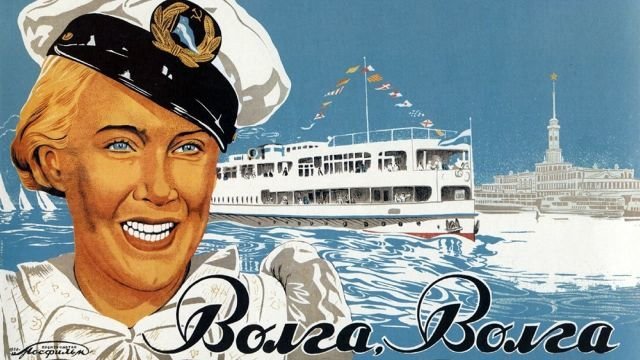
Volga-Volga is a 1938 musical comedy film directed by Grigoriy Aleksandrov, starring Lyubov Orlova and Igor Ilyinsky. A championed hallmark of Russian cinema, it encapsulates the spirit and ambitions of people in Soviet Russia.
The leading lady, Orlova, plays the role of a provincial postwoman named 'Strelka', hailing from a small riverside town on the banks of the Volga. Vibrant, endearing, and full of life, Strelka is an amateur performer with a passionate dream - to make her mark in Moscow's Red Theatre, a renowned arts and culture center of the Soviet Union. She cherishes a love for amateur theatrics and holds an astounding vocal talent, which gives her the courage to strive for her dreams relentlessly.
Igor Ilyinsky delivers a memorable performance as Alyosha, a humorous dock worker with ambitions of his own. The chemistry between Strelka and Alyosha adds a beautiful, nuanced and comedic dynamic to the narrative. Alyosha is an amateur clarinet player in the local folk ensemble, who also harbors dreams of taking his band and their unique variety of folk music to the Red Theatre.
The central plot of Volga-Volga follows the journey of Strelka and Alyosha as they cross paths and find themselves sailing together on a steamer down the Volga, their dreams propelling them toward Moscow. The large and diverse collection of passengers on the riverboat add tremendous color to the story, including a varied cast of characters and performances that are authentically and charmingly Russian, from singing workers to dancing peasants.
The film, rich in authentic Russian folk tunes and wonderfully choreographed dance sequences, creates a harmonious blend of levity and emotion while beautifully portraying life in the Soviet Union. Volga-Volga also symbolically alludes to several core Soviet themes, such as the celebration of hard work, communal ambitions, celebration of common people, and the theme of unity, which was integral to the Soviet ethos.
Aleksandrov's direction ensured that the film not only reflected Russian culture and values but also the post-Stalinist utopian dreams of the Soviet Union, a country that was intensely attempting to prove its cultural superiority to the rest of the world. Whether through the singing of the traveling musicians or the dancing routines set against robust Russian landscapes, Volga-Volga proficiently represents the substantial progress that was being realized in the country.
The characteristic cinematography creates a majestic backdrop for the performers, with its sweeping views along the river Volga, the countryside, and the cityscapes of Moscow. This, in combination with the film's music and dance, develops a composition promoting Soviet ideals and cultural pride, creating a richly enthralling movie experience.
Moreover, Orlova’s electrifying performance undeniably steals the spotlight. Her infectious charm and unwavering optimism perfectly encapsulate the hope and spirit of the young Soviet Union. Her character's spirit and determination, coupled with her superb vocal talent, strengthen the film's emotional resonance.
On the other hand, Ilyinsky's comedic timing and incredible portrayal of the well-meaning but often clumsy Alyosha, adds a delightful layer of humor to the narrative. Their combined performances in this delightful journey deliver an emotional attachment that keeps the audience entertained throughout.
In sum, Volga-Volga beautifully encapsulates the journey of two dreamers sailing towards their ambitions, painted in the hues of folk music, energetic dance, and light-hearted comedies against the backdrop of picturesque Russian landscapes. It's a compelling portrayal of life along the Volga River, as well as a window into the Soviet Union's cultural aspirations during the late 1930s. The film’s popularity among audiences, then and now, can be attributed to its strong characters, vibrant music and dance, and underlying themes, making it an engaging cinematic experience for viewers of all ages.