

Tony
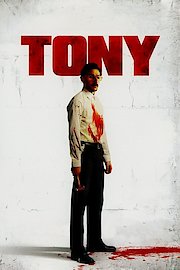
Tony
Keeping a neighbourhood watch.
 6.1/10
Where to Watch Tony

British independent crime thriller "Tony" premiered in 2009 to much critical acclaim. Directed by Gerard Johnson and starring Peter Ferdinando in the lead role, the film features supporting performances from Greg Kam, Ricky Grover, and Neil Large, among others. The drama, set in East London's bleak and dingy atmosphere, revolves around the life of an idle man trying to grapple with his social isolation and indifference.
At the movie's heart is Tony, a socially awkward, jobless loner dwelling in a rundown council flat in East London, played masterfully by Peter Ferdinando. Tony lives a quiet and seemingly ordinary life, with his days consumed by more mundane activities such as watching low-brow 80s action flicks, wandering aimlessly around the city's gray streets, or trying to make conversation with strangers, usually without success.
The character of Tony challenges common stereotypes associated with a thriller's protagonist. He’s hollow-eyed, middle-aged and mostly keeps to himself. Noticeably inept at human interactions, he always fails to strike a chord with the people he encounters. The unassuming nature of Tony's persona makes the undercurrents of his character development intriguing and keeps viewers on tenterhooks.
Boasting of a grim undertone, the movie is visually striking. The cityscape, filled with dilapidated buildings, littered streets, and graffiti-filled walls, becomes a character in itself, reflecting Tony's loneliness and detachment from society.
Johnson's direction and script does an excellent job of maintaining a balance between sympathy and repulsion for Tony. He's neither a hero nor an anti-hero; instead, he's a true outcast, eerie and pitifully ordinary. There's a heightened sense of ambiguity that hangs around Tony, making him a fascinating character study.
The casting of Peter Ferdinando as Tony proves to be an inspired choice. Ferdinando delivers a stirring and commendable performance, giving audiences a glimpse into the unsettling world of a man grappling with extreme solitude. His portrayal of Tony as an introverted loner is nuanced and quietly intense, taking viewers through a gamut of emotions, from empathy to fear.
Greg Kam and Ricky Grover, along with the rest of the cast, provide commendable support, further enhancing the narrative's grim atmosphere. The characters they sketch – strangers who cross paths with Tony – beautifully complement the overarching theme of loneliness and social alienation.
The film isn't just hard-hitting because of its storyline or performances; the technical aspects also serve to intensify its impact. Matt Wicks' cinematography effectively heightens the film's bleak and melancholic tone. At times the camera merely observes, slowly lingering, to emphasize the extent of Tony's loneliness, while at other times, the camera work is shaky and intense, reflecting Tony's state of mind.
The film's title might suggest a bio-pic of a high-profile figure, but "Tony" is far from that. It's intense and harrowing, and it's a startling psychological exploration of the extents to which human isolation can drive an individual. It's not the conventional thriller but a quiet, provocative character study set against the backdrop of a gritty, grim urban landscape.
The soundtrack, largely made up of late 70s and early 80s pop songs, serves as an ironic backdrop to the escalating tension and creeping horror in Tony's world. The discordant use of upbeat, poppy songs against the backdrop of Tony's grim reality creates a potent, uneasy atmosphere that further deepens the film's impact.
With a compelling narrative, stunning performances, and impressive cinematography, "Tony" successfully delves into the grim world of a loner, offering a chilling view of solitude and its impacts. It’s an exploration of human nature that presents the harsh reality of living on the fringes of society. A potent combination of psychological drama and thriller, "Tony" is a must-watch for those seeking cinema that stands apart from mainstream storytelling conventions.
6.1/10