
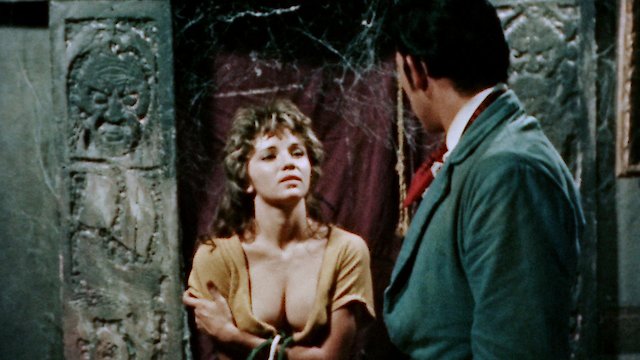
The Dungeon of Harrow
The Dungeon of Harrow
 3.4/10
Where to Watch The Dungeon of Harrow

The Dungeon of Harrow (1962) is a captivating blend of the horror and thriller genres, starring Russ Harvey, William McNulty, and Helen Hogan. Directed by Pat Boyette, the movie’s sinister atmosphere, chilling suspense, and unique characters combine to create an unforgettable cinematic experience that lingers long after the screen fades to black.
The movie begins with the eventful shipwreck of an aristocratic playboy, Aaron Fallon, played by Russ Harvey. He washes up on a strange island, accompanied by the ship's captain, also lucky to be alive. But their luck appears to be short-lived as they find themselves in the midst of eerie phenomena and an ominous situation, far from the realms of normalcy. The story gradually reveals a chilling tale of madness, cruelty, and despair.
At the heart of the brooding narrative lies an ancient, decayed castle, ruling over the gloom-infested island, casting long and unsettling shadows over the land. The castle is home to the cruel Count De Sade, portrayed impressively by William McNulty, who brings a disturbing intensity to his character. The count, embroiled in madness and decadence, holds the castle and the island in his grip of fear. The inhabitants live in constant dread of his sadistic whims and brutal practices.
Russ Harvey’s Aaron Fallon comes across as an everyday man trapped in an extraordinary situation. Instead of the overpowered hero, Fallon is vulnerable, making his survival struggle deeply engaging. Harvey breathes life into the character, portraying his fear, determination, and desperation with remarkable authenticity.
Aaron’s eventual meeting with the beautiful Cassandra, played by Helen Hogan, adds a different nuance to the narrative. Hogan captures the essence of Cassandra’s mysterious aura, her vulnerability, and the simmering strength beneath. Their ensuing journey is a riveting blend of fear, hope, and unsettling revelations.
Beyond the central trio, an individually unique range of characters adds depth and variety to the narrative. A mute servant, a mad countess, and several other mysterious figures come into play, turning the castle into a maze of secrets, each more chilling than the last.
The film is carried forward not just by its deeply layered characters and intricate narrative but also by its atmospheric storytelling. The castle serves as a perfect setting for this tale with its eerie hallways, shadowy corners, and an unholy aura that seems to seep from its very stones. The director brilliantly uses this setting to play up the horror, with sudden scares and slow-building fear keeping the audiences on the edge of their seats.
The presentation of the film is also particularly noteworthy. For a movie from the early 1960s, it manages to convey the grim darkness and the terrifying atmosphere impressively. The usage of black and white further enhances the horror narrative, amplifying the dichotomy of light and darkness in the literal and metaphorical sense.
Apart from its gripping visuals, The Dungeon of Harrow also boasts a hauntingly beautiful soundtrack that further intensifies the experience. Every shrill note, every eerie silence, blends perfectly with the arcane setting and the horrifying narrative, greatly enhancing the overall cinematic journey.
The Dungeon of Harrow, despite its age, offers a timeless horror experience. The movie's engaging plot, rich characterizations, atmospheric storytelling, and chilling revelations make it a must-watch for any fan of the genre. While it does follow some conventional tropes of horror and suspense, it doesn't shy away from pushing the boundaries and exploring the unknown territories of fear and despair. The haunted castle, the terrifying count, the shipwrecked survivors, and a secret that might be more dangerous than it appears, all combine to make The Dungeon of Harrow a compelling and chilling movie experience.
3.4/10