
Hot Pepper

Where to Watch Hot Pepper

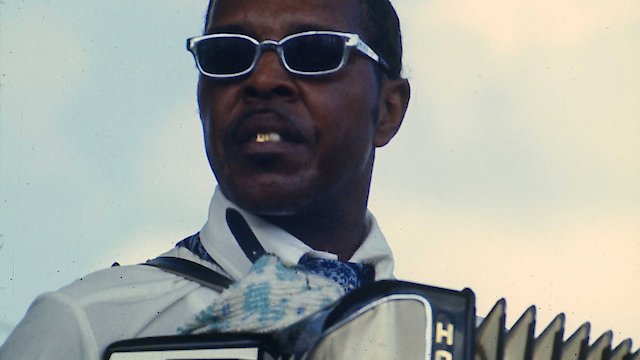
Hot Pepper is a film like no other - a soulful concoction of music, culture, and captivating personalities. Released in 1973 and directed by renowned documentary filmmaker Les Blank, Hot Pepper stars Creole music legends like the accordion virtuoso Clifton Chenier, cloaked in his crown and cape, his elder brother Cleveland Chenier, and the charismatic drummer Robert St. Julien. This film is a distinctive presentation of the Creole musical tradition, underscoring their unbridled passion for life, music, and culture.
The title of the film alludes not just to the spicy world of Creole cooking but also to the fiery performances of the musicians featured. Hot Pepper is an exploration of the Zydeco - a musical genre that emerges from the Creole experience in Southwest Louisiana, blending R&B, blues, and Louisiana Creole tradition. The beating heart of this film is undoubtedly the 'King of Zydeco,' Clifton Chenier.
Chenier, a son of sharecroppers and a Grammy-award winner, was a masterful accordionist, a compelling singer, and a true ambassador of Creole culture. The film captures his larger-than-life personality with intimate performances, impromptu jam sessions, and personal anecdotes. Chenier's electric stage presence, coupled with his ability to straddle traditional tunes with contemporary beats, cements his place in the annals of American folk music history.
Sharing the screen with Clifton is his brother Cleveland Chenier, a virtuoso rub-board or 'frottoir' player, an intriguing instrument that has become a staple in Zydeco music. Together with their talented drummer, Robert St. Julien, the Chenier Brothers transport the audience into a musical culture that's as spirited and vibrant as it is rare. Their performances, whether on stage or in the backyards of Louisiana, are a pulsating testament to a lifestyle where joy, music, and community are intertwined.
What sets Hot Pepper apart is its ability to delve beyond the music. While the raucous Zydeco beats are undoubtedly ear-catching, Blank goes the extra mile to dissect the culture that anchors this unique art form. The film embodies the Creole spirit, weaving intricate stories of family ties, community celebrations, and rural Louisiana life.
Through this cinematic journey, the audience gets acquainted with local folklore, dance traditions, and most deliciously, Creole cooking. The sequences of simmering gumbo and delicate culinary practices serve to whet the appetite and further demonstrate the rich, multi-layered aspects of the culture. Blank effortlessly makes the viewer an honorary Louisianian - as if seated around a crackling fire under the stars, swayed by the elixively infectious rhythm, scent of home-cooked meals, and an all-pervading sense of kinship. Music and food serve as the threads binding the community together, wrapped warmly in the cloak of tradition and heritage.
Moreover, Hot Pepper also celebrates the region's landscape. The film's visual palette is colorful yet earthy, true to the vibrance and rustic charm of Southwest Louisiana. Blank masterfully captures the essence of the terrain and the people using natural light and an observational filming style, enhancing the authenticity of the narrative.
While Hot Pepper runs just over an hour, its impact lingers long after, stirring a longing for a culture rich in its simplicity and communal harmony. Its inherent magic lies in its candid portrayal of the protagonists, their music, their way of life, and their resilience. Hot Pepper stands as a testimony to the power of music as a unifying force, emblematic of a shared history that transcends time.
Hot Pepper is a Documentary, Music movie released in 1973. It has a runtime of 54 min Critics and viewers have rated it moderate reviews, with an IMDb score of 6.8..
How to Watch Hot Pepper
Where can I stream Hot Pepper movie online? Hot Pepper is available to watch and stream, buy on demand, download at Amazon. Some platforms allow you to rent Hot Pepper for a limited time or purchase the movie for downloading.
