
Giorgio Moroder Presents Metropolis
Giorgio Moroder Presents Metropolis

Where to Watch Giorgio Moroder Presents Metropolis

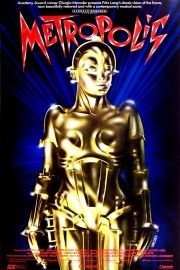
Giorgio Moroder Presents Metropolis is a mesmerizing cinematic amalgamation of sci-fi, drama, and music, curated by Oscar-winning music composer Giorgio Moroder. Created in 1984, this film is a re-envisioned and color-tinted version of Fritz Lang's 1927 epic silent film classic, "Metropolis".
Set in the dystopian society of Metropolis, the film presents a stark social contrast between the elites enjoying a utopian existence above ground and the oppressed working class toiling below ground to maintain the city's infrastructure. Towering skyscrapers, gigantic machinery, and futuristic cityscapes are the backdrops hinting at the advancing industrial revolution. The narrative centers around two key characters – Freder, the son of the city's master, and Maria, the champion of the working class.
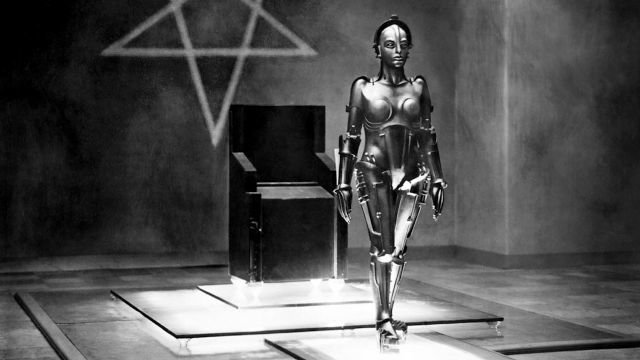
Brigitte Helm delivers a dual-role performance as both the virtuous Maria, who seeks justice for her fellow workers, and as her evil robotic double, created to disrupt the city's balance. Gustav Frohlich portrays Freder with affable charm and emotional intensity, offering a rich portrayal of a young man discovering his social conscience. Alfred Abel assumes the role of Joh Fredersen, the city master entrapped in his own power dynamics. Together, they create a compelling human drama amid a world grappling with technology and class disparity.
Moroder's rendition of Metropolis is a harmonious blend of Lang's textural visuals and Moroder's rock-pop synthesizer score. Groundbreaking within the genre, Moroder's score features songs from top rock artists of the era including Freddie Mercury, Bonnie Tyler, and Adam Ant. This masterfully integrated music acts as a character in itself, shaping the film's narrative momentum and emotional resonance. The addition of color to several sequences, previously black and white, adds a further layer of interpretation to the film. The film's use of intertitles – graphic text similar to what silent cinemas used – retains the original silent film's essence while updating it stylistically for modern audiences.
Rudolf Klein-Rogge's character, the mad scientist Rotwang, introduces a fascinating layer of complexity to the plot, mediating between science, power, and manipulation. Fritz Rasp's chilling portrayal of The Thin Man and Theodor Loos's role as Freder's loyal friend, Josaphat, augment the film's thematic depth and narrative engagement. Heinrich George, in his role as Grot, the guardian of the Heart Machine, contributes a raw portrayal of a worker's struggle and frustration in this dystopian society.
Eyecatching visuals and clever usage of special effects form a significant part of the film's appeal. The iconic scenes such as the transformation of Maria into a robot and the climactic flooding of the worker's city denote Lang's directorial vision and Moroder's modern flair. The unique design of the robotic Maria has subsequently influenced several sci-fi movies and popular culture. The film's themes – the disparity between the haves and the have-nots, the dystopian implications of rampant industrialism, and the ethical quandary of scientific exploitation – still resonate.
Giorgio Moroder Presents Metropolis is a cultural artifact that blends the silent film era's distinctive charm with 1980s' pop music. Although the film's methods were controversial at the time of its release, Metropolis has gained recognition as an innovative experiment in cinematic history, bridging the gap between past and present, and capturing the timeless struggle of love, morality, and power. Through the course of its narrative, it successfully holds up a mirror to society, questioning human values amid technological progress.
In essence, Giorgio Moroder Presents Metropolis is more than just a film; it's an immersive experience that takes audiences on an unforgettable journey through a retro-futuristic landscape filled with tension, drama, and pulsating music. It underlines the vital power of cinema to reflect societal issues, making it a must-watch for film enthusiasts seeking a unique cinematic experience. This iconic, uninhibited blend of film, music, and early 20th-century science fiction is indeed a testament to the endless possibilities of artistic expression.