

Easter in Art: Betrayal, Crucifixion, Resurrection
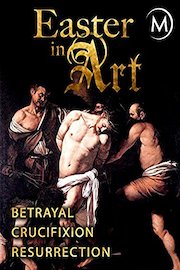
Easter in Art: Betrayal, Crucifixion, Resurrection

Where to Watch Easter in Art: Betrayal, Crucifixion, Resurrection

"Easter in Art: Betrayal, Crucifixion, Resurrection" is a purposeful and visually stunning exploration of the themes and narratives of Easter, designed not just to entertain but also to evoke reflection and spark intellectual curiosity. The film zooms in on the most pivotal moments in Jesus Christ's life, as outlined in the Holy Bible, and its influential artistry across the globe. It is not just a feast for the eyes, but a spiritual and cultural expedition that, while digging into the roots of the Christian faith, also offers a broader appreciation for the enduring ties between religion and art.
Directed by acclaimed filmmaker Phil Grabsky, the film weaves together a masterful mix of art history, religion, and culture. Grabsky's signature blend of research, narration, and deep insights into the various facets and hidden layers of the chosen artworks build a rich tapestry of understanding and appreciation. The film is the latest in Grabsky's art series, Smart Arts, renowned for its deft presentation of the world's greatest works and their inspirational backstories.
"Easter in Art: Betrayal, Crucifixion, Resurrection" follows the chronology of events from Jesus' betrayal to his crucifixion and the hopeful dawn of his resurrection. It isn't just a historical reenactment of events; instead, the film visually communicates these emotional milestones through heart-stirring depictions found in the world of art, exploring how masterful artists throughout history have brought these profound narratives to life.
The film unfurls with the Last Supper and Judas' defining act of betrayal. In its stride, the film visits timeless masterpieces, analyzing iconic portrayals from the genius hands of artists like Leonardo Da Vinci, Michelangelo, and Caravaggio. These artful explorations take viewers on a journey through time and various artistic styles, dissecting the symbolism and artistic techniques that have shaped our visual understanding of these momentous biblical events.
Continuing into the horrors of the crucifixion, the film indulges in a deeper exploration of the pain, sacrifice, and profound spiritual significance of this event. Each comparison and narrative thread serves not merely to retrace religious history but to shed light on the pieces of art that echo this suffering and redemption. The film provides an emotional look at the narratives through the eyes of artists who, over centuries, have utilized their distinct styles and sensitivities to interpret and represent these stories.
Finally, the film triumphantly crescends with the resurrection, connecting this defining moment in Christian belief with beautiful artistic portrayals that enshrine its message of hope and salvation. Grabsky and his team delve into these complex themes, inspiring viewers with intricate details and thoughtful narrations. As the final note in this sequence of revered events, the resurrection brings with it a new burst of creative interpretations, shining a spotlight on the harmonious intertwining of religion and art that remains just as fascinating today.
Complementing the elegant cinematography is the film's choice of locations. By selecting some of the world's most respected galleries, cathedrals, and museums as its backdrop, "Easter in Art: Betrayal, Crucifixion, Resurrection" strikes a harmonious balance between spiritual and cultural immersion. These visits to hallowed halls and inspiring locations lay a spectacular groundwork that roots the cinematic expedition firmly in the mesmerising world of fine art.
The film also pays heed to the power of insightful commentary and narration. Insightful remarks and observations from various art historians, theologians, and artists contribute to a lively dialogue throughout the film, enhancing the viewer's understanding and interpretation of the featured artworks.
"Easter in Art: Betrayal, Crucifixion, Resurrection" is a film of magnificent potency, capable of provoking thought and evoking a sense of awe. This insightful journey through the poignant iconography of Easter illuminates how art has been used as a vehicle throughout the centuries to understand, interpret, and celebrate key themes of the Christian faith. In doing so, it offers viewers an access point through which they can appreciate the intertwining strands of religion, art, and culture. It is, above all, a beautiful artwork in itself, a deftly crafted tribute to the enduring power of spiritual narratives in the world of artistic expression.