

Dietrich Fischer-Dieskau: Last Words
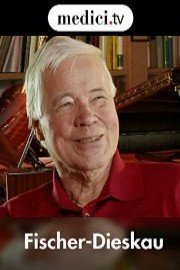
Dietrich Fischer-Dieskau: Last Words

Where to Watch Dietrich Fischer-Dieskau: Last Words

Dietrich Fischer-Dieskau: Last Words is a poignant and intimate documentary that delves into the final years of one of the most celebrated baritones of the 20th century, Dietrich Fischer-Dieskau. Renowned for his profound impact on classical music—particularly in the realm of lieder singing—Fischer-Dieskau's legacy is explored in this reflective film that captures both his artistry and his personal contemplations on life and mortality.
The documentary is structured as a retrospective, intricately weaving together various elements of Fischer-Dieskau's life, from his early beginnings in a Berlin ravaged by war to his rise as a dominant figure in the opera and concert world. Through archival footage, interviews, and recordings, the film paints a multifaceted portrait of the artist, illustrating not only his vocal prowess but also his deep engagement with the emotional and philosophical dimensions of music.
As viewers are taken through Fischer-Dieskau's extraordinary career, they are treated to glimpses of his performances, showcasing his impeccable technique and emotive interpretation. The film highlights his collaborations with other great musicians of his time, including conductors, pianists, and fellow vocalists who shaped his artistic journey. The auditory experience is complemented by visuals that juxtapose performance clips with candid moments from his personal life, giving insight into the man behind the music.
A significant theme in the film is the concept of "last words" and how they resonate in the context of Fischer-Dieskau's reflection on life as he faced its inevitable conclusion. His thoughts on what it means to leave a legacy, the process of aging, and the fleeting nature of existence provide a contemplative backdrop that enhances the audience's connection to his artistry. The documentary invites viewers to ponder the intrinsic relationship between music, memory, and mortality, exploring how an artist grapples with the weight of their own legacy.
Throughout the film, the narrative maintains a thoughtful and respectful tone, allowing Fischer-Dieskau's voice—both spoken and sung—to guide the viewer’s experience. Contemporary interviews with family members, friends, and colleagues offer added layers of understanding, allowing for a glimpse into his character beyond the public persona. These reflections reveal a man who was both fiercely passionate and deeply introspective, whose artistic genius was entwined with his emotional depth.
The cinematography plays a significant role in creating an atmosphere that is both reflective and intimate. The visual choices range from close-ups of Fischer-Dieskau in rehearsal to serene landscapes that suggest the tranquility of contemplation. This aesthetic mirrors the film’s themes and evokes a sense of nostalgia and reverence for a life dedicated to the pursuit of beauty through music.
Music, of course, is the heart of the documentary, and the soundtrack features a rich selection of pieces that highlight Fischer-Dieskau's most significant works. From lieder by Schubert and Schumann to operatic arias, the musical selections serve not only as a reminder of his virtuosity but also as a canvas on which his emotional landscape can be painted. Audience members are reminded of the power of song to convey profound feelings, making one keenly aware of the dichotomy of joy and sadness present in Fischer-Dieskau's life and work.
The film's pacing is deliberate, allowing the audience to digest the wealth of material presented. It invites viewers to engage with their own reflections on life, artistry, and the passage of time, creating a contemplative journey that lingers long after the credits roll. This careful curation of content ensures that the documentary remains engaging without feeling rushed, creating a space for profound reflection in the midst of an exploration of Fischer-Dieskau's legacy.
Dietrich Fischer-Dieskau: Last Words ultimately serves as a celebration of an artist whose contributions to art song and opera have left an indelible mark on the cultural landscape. It is a tribute that transcends the mere biographical, aiming instead to stir the soul and inspire viewers to appreciate the delicate balance of life and art. As the audience witnesses the intersection of Fischer-Dieskau's personal journey with his professional triumphs, they are reminded of the enduring power of music to bridge gaps between the past and the present, ultimately resonating deep within the human experience. This documentary will resonate with lovers of classical music as well as those interested in the complex narrative of a true artistic giant confronting the end of his life with grace and introspection.