
Sadie Thompson

Sadie Thompson
"Sadie could storm any barrack she attacked! Magnetism had never been heard of until she hit town! What a woman! You'll say so, too!"
 7.2/10
Where to Watch Sadie Thompson

Sadie Thompson, a 1928 American silent drama film, tells a compelling tale about faith, redemption, and moral confrontation. The movie was directed by Raoul Walsh, who also starred in the film, but it predominantly featured performances by Lionel Barrymore, Blanche Friderici, and Charles Lane. The narrative is based on the short story "Rain" by W. Somerset Maugham, which adds a layer of literary depth and sophistication to the cinematic experience.
The film opens with the main protagonist, Sadie Thompson, played by the vibrant Gloria Swanson, arriving at Pago Pago in American Samoa. She's a spirited woman with her own set of rules, fleeing from a troublesome past and looking for a fresh start in this exotic setting. Encountering her on this journey are the fervently zealous preacher, Alfred Davidson, portrayed by Lionel Barrymore, and his stoically devout wife, expertly brought to life by Blanche Friderici.
Barrymore, enshrining a powerful depiction of a man consumed by his beliefs, has a significant and complex role. His character, Davidson is a Reformist missionary who, with his wife, holds a stern front of moral uprightness and religious dedication. They are in Samoa as moral guardians to suppress any kind of "sinful" behavior and convert the natives to their faith.
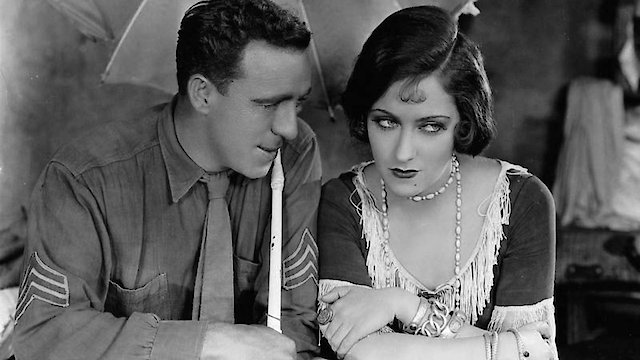
Meanwhile, Sadie's effervescent persona is in stark contrast to their stringent moralities. She befriends some marines at the military base, particularly a charming Sergeant, Tim O'Hara, meaningfully played by Raoul Walsh. In the budding relationship between Sadie and Tim, the film explores moments of tenderness, providing warmth to the otherwise tense undertones of the plot.
Charles Lane contributes to the supporting cast as Joe Horn, the hotel owner who initially gives Sadie shelter, providing an objective perspective to the drama, playing foil to the array of intense and polarizing characters. As the plot unfolds, Sadie's free-spirited identity comes under Davidson's scrutiny who takes it upon himself to reform her.
The narrative is riddled with tension as Davidson's road to the protagonist's redemption becomes a battleground of conflicting ideologies, individual freedoms, and social conventions. The film poses profound questions about morality, faith, and the struggle for personal autonomy under societal pressures and judgment. It examines the consequences of rigid dogmas, impacts of guilt, and the potential of forgiveness, making viewers ponder over the dichotomy of human nature and the ambiguities of right and wrong.
The setting plays a significant role in the storytelling process. The film captures the tropical beauty of Pago Pago, and the isolating rain that often drenches the island also mirrors the emotional landscape of the characters, reflecting the gloom, despair, and tension that unfold.
Sadie Thompson stands out for its robust thematic underlinings and remarkable performances. The highly engaging narrative is underscored by a powerful script and the bold, yet delicate character-defining moments that depict a deep understanding of the human psyche.
Apart from the raw and riveting performances, it's also worth noting the impressive technical aspects of the era’s cinema. The film’s use of dramatic lighting, artistic photography and detailed mise-en-scene effectively highlight the expressions, influence the ambiance, and shape the narrative’s tension. Despite being a silent film, the actors deliver intensely emotive performances, conveying more through their actions, expressions and body language than words ever could.
Swanson's performance as Sadie is particularly laudable, as she brings to life the different nuances of her character with a flawless blend of vivacity, vulnerability, and strength. Similarly, Barrymore's compelling interpretation of Davidson makes him antagonistically alluring, stirring a myriad of emotions in the viewers.
Though set in the late 1920s, the socio-cultural discussions initiated by Sadie Thompson still resonate today, making the film timeless. It takes its audience on a memorable journey of engaging storytelling, complete with compelling characters and intense performances. For those interested in classic cinema, literature-based adaptations, or drama that provokes thought, Sadie Thompson is an offering you shouldn't miss.
7.2/10