
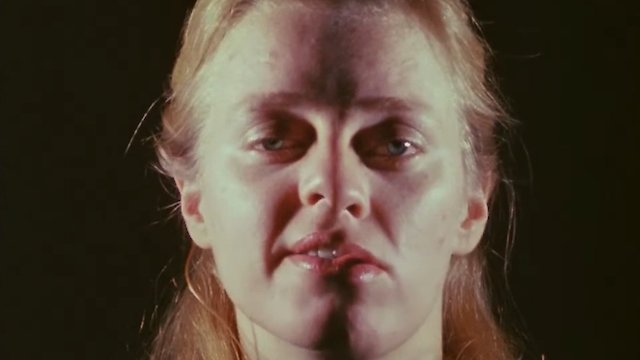
Zorns Lemma
Zorns Lemma
 6.5/10
Where to Watch Zorns Lemma

Zorns Lemma is a groundbreaking experimental film released in 1970 that pushes the boundaries of conventional storytelling, inviting viewers to immerse themselves in a unique sensory experience. Directed by the avant-garde filmmaker and conceptual artist, it features a cast that includes Rosemarie Castoro, Ginger Michels, and Marcia Steinbrecher. The film is often noted for its innovative use of visual and auditory elements, reflecting the artistic exploration of the era while engaging with the complexities of language, perception, and reality.
At its core, Zorns Lemma delves into the idea of communication and the relationships between words, symbols, and the world around us. The film's title references a mathematical principle known as Zorn's Lemma, which deals with set theory and is often used in discussions of existential philosophy and logical reasoning. This theoretical underpinning sets the stage for a cinematic journey that challenges viewers to consider the nature of understanding and interpretation.
The narrative of Zorns Lemma is non-linear and abstract, defying traditional plot structures. Instead of following a straightforward storyline, the film unfolds in a series of evocative sequences that explore the passages of time and the fluidity of meaning. The film's structure comprises three distinct segments, each characterized by its own unique visual style and thematic focus. This segmentation encourages viewers to engage with the content actively rather than passively consuming a predetermined narrative.
The first segment introduces the audience to a series of striking images, featuring the natural world alongside urban landscapes. These visuals are often slow-paced, allowing for a meditative viewing experience. The film opens with scenes depicting various natural elements, such as trees, water, and light, interspersed with urban settings that illustrate the complexities of modern life. As these images unfold, they are accompanied by an experimental soundscape, which includes ambient noises, music, and spoken words. This layering of sound creates a rich auditory environment that enhances the visual imagery, inviting viewers to contemplate the connections between nature and civilization.
As the film progresses into its second segment, the focus shifts toward more abstract and conceptual themes. This section incorporates a range of visual and linguistic experiments, including the juxtaposition of texts and images that provoke thought about language's limitations and possibilities. The film poses questions about how we construct meaning and the role of perception in shaping our reality. The visuals in this segment often become increasingly fragmented, reflecting the chaos and complexity of human communication and understanding. The interplay of images and sound morphs into a more cacophonous and surreal experience, challenging viewers to navigate the multiplicity of interpretations that arise from the dissonance between what is seen, heard, and understood.
Zorns Lemma's third segment crescendos to a climax that embodies the essence of the film's inquiry into meaning. Here, the film oscillates between abstract visuals and more recognizable forms, creating a tension that lays bare the boundaries of perception and comprehension. This resolution, devoid of definitive conclusions, leaves viewers pondering the nature of existence and knowledge itself. The film's innovative approach compels audiences to reflect on their engagement with the medium, making them participants in the experience rather than mere observers.
The casting of Rosemarie Castoro, Ginger Michels, and Marcia Steinbrecher adds layers of nuance to the film. Each actress embodies a different aspect of the thematic exploration, contributing to the overall tapestry of the narrative. Their performances oscillate between subtlety and abstraction, often using movement and gesture to communicate complex ideas without relying heavily on dialogue. This physical expression reinforces the film’s thesis about the limitations of language while emphasizing the powerful potential of visual storytelling.
Zorns Lemma is a film that defies easy categorization. It is both a visual art piece and a philosophical inquiry, appealing to cinephiles, artists, and intellectuals alike. The film serves as a testament to the artistic climate of the 1970s, when filmmakers began to explore the boundaries of their craft, challenging audiences to rethink what cinema could be. Through its experimental nature, Zorns Lemma invites viewers to engage with the medium more critically, questioning preconceived notions of narrative, representation, and the nature of understanding itself.
In summary, Zorns Lemma stands as a pivotal work in the canon of experimental cinema. Its exploration of language, symbol, and perception paves the way for deeper inquiries into the nature of existence. The film's innovative structure, paired with evocative sound design and striking images, creates an immersive experience that invites audiences to contemplate the nuances of communication in a fragmented world. Zorns Lemma remains a significant work, reflecting the spirit of experimentation and philosophical inquiry that characterized a transformative era in art and cinema.
6.5/10