

Yuli ESP
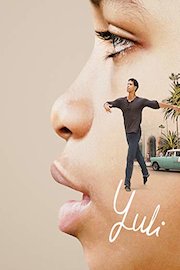
Yuli ESP

Where to Watch Yuli ESP

Yuli is an introspective biographical drama film that deftly weaves together the fascinating life of acclaimed Cuban ballet dancer, Carlos Acosta. Directed by Spanish filmmaker Icíar Bollaín and released in 2018, this emotionally charged cinematic piece showcases not just the on-stage brilliance of Acosta but has its core in the brutally honest exposition of his roots, struggles, and life beyond the spotlight.
Based on his autobiography "No Way Home: A Cuban Dancer’s Story," the film presents the storyline nonlinearly, oscillating between the past and the present, fiction, and reality. The title Yuli comes from Acosta's childhood nickname, given by his father Pedro who molds his son's destiny, envisioning him as a future renowned ballet dancer.
Rising from the poor outskirts of Havana, Acosta's journey towards stardom was far from easy. The film incisively portrays the raw struggles and harsh realities of his life that added layers to his character - the poverty-ridden childhood, the grueling dance training he initially resented, the prejudice he faced as an Afro-Cuban, and his longing for a sense of home and identity.
The character of Yuli (Carlos Acosta) is vivified by three actors at different stages of his life. Edilson Manuel Olbera Núñez portrays young Acosta, reflecting his rebellious spirit as a young boy with little interest in ballet and more passion for football. Keyvin Martínez takes up the teenage years, demonstrating Yuli's transformation as he gradually discovers his love for dance. The middle-aged Acosta is played by none other than Carlos Acosta himself, showcasing a ballet artist at the height of his career, yet filled with nostalgia, grappling with his success and his inner emotional complexity.
From the streets of Havana to the pristine stages of London's Royal Ballet, Yuli reveals how Acosta shattered stereotypes and broke ethnic and socio-economic barriers to transform into one of the greatest ballet dancers of his generation. While the film does celebrate his spectacular rise to international fame, it refuses to shy away from the emotional burdens, such as identity crises, racism, and estrangement from his homeland, that often come hand-in-hand with such success.
Director Icíar Bollaín worked closely with acclaimed Scottish screenwriter Paul Laverty, who penned a thoughtful, sensitive, and emotive script. An interesting narrative device used in the film is that it’s staged as a rehearsal, where Acosta's own dance company performs scenes from his life. This impeccably blends reality with vibrant dance performances, which add to the harmonious storytelling.
The cinematography excels in drawing vivid contrasts - from the vibrant colors and sounds of Havana's vibrancy to the poised hush of the Royal Ballet in London, contributing to the film's unique aesthetic and sensory appeal, making it a visual treat. The striking ballet performances throughout the film, many performed by Acosta himself and his company ‘Acosta Danza’, serve not only as delightful breaks but also as potent narrative components, with each dance number resonating with Acosta’s emotional state at that point in his journey.
The performances are gripping, especially that of Carlos Acosta, who is as mesmerizing on screen as he is on stage. Equally gripping are the performances by Santiago Alfonso, who portrays Acosta’s determined and relentless father, and Keyvin Martínez, who delivers a sensitive portrayal of a young Yuli coming to terms with his burgeoning talents.
In conclusion, Yuli is a compelling tribute to Carlos Acosta's remarkable journey, finding just the right balance between a factual biographical narrative and the creative interpretation of his life. It is not just for ballet enthusiasts, but also for anyone who appreciates a well-rounded, human story of perseverance and the pursuit of dreams, despite the setbacks and personal costs involved. Indeed, Yuli is a testament to how a tale of personal triumph can be just as beautiful, if not more so, as the perfect pirouette.