

Train to Pakistan
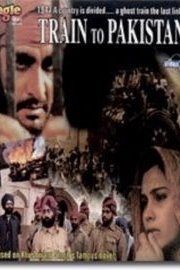
Train to Pakistan
 6.6/10
Where to Watch Train to Pakistan

Train to Pakistan is a poignant and powerful film that delves into the complexities of human relationships amidst the backdrop of one of the most tumultuous periods in South Asian history—the Partition of India in 1947. Directed by Pamela Rooks and based on Khushwant Singh’s iconic novel, the film artfully navigates the challenging themes of love, identity, and the often-violent consequences of religious and political divides.
Set in the fictional village of Mano Majra, which lies on the border between India and what would become Pakistan, the film opens with a serene depiction of rural life, where the local Sikh and Muslim communities coexist, fostering relationships that are built on camaraderie and mutual respect. The village is a microcosm of the broader society, representing an intricate tapestry woven from diverse cultural and religious threads. As the villagers go about their daily lives, the arrival of a train comes to symbolize not just transportation, but a harbinger of change that will have dire consequences.
The narrative is anchored in the lives of several main characters, most notably Iqbal, a passionate and idealistic young Sikh man who has returned from studies in Europe, and the innocent and compassionate village girl, Nooran, who is caught in the web of community loyalty and personal desires. Their love story, tender yet fraught with the tensions of their socio-political realities, serves as the emotional core of the film. Iqbal's progressive ideas about unity and coexistence are challenged as the mounting fears and tensions of communal violence begin to seep into the fabric of their lives.
As rumors of violence and riots spread, the village is soon engulfed by a wave of paranoia and fear. The presence of the British Raj looms large, as the colonial officers attempt to maintain order but often exacerbate the situation. The breakdown of social harmony is palpable, as divides of religion and ethnicity become insurmountable barriers. Rooks deftly portrays the growing hostility and mistrust among the villagers, as friends become foes and families are torn apart by the looming specter of violence.
The film captures the brutality of the Partition period, showcasing how deeply ingrained prejudices can be unleashed in a climate of fear and uncertainty. Through its raw and unflinching portrayal of human suffering, Train to Pakistan highlights the tragic consequences of communal strife, as innocent lives are forever altered and destroyed. The emotional turmoil experienced by the characters is depicted with sincerity and depth, making their struggles resonate with audiences.
Visually, Train to Pakistan is stunning, utilizing the natural landscapes of rural India to capture a sense of both beauty and foreboding. The cinematography evokes a stark contrast between the serene rural setting and the chaos that ensues as violence erupts. The use of train imagery serves not just as a literal means of transportation but as a metaphor for the journey of humanity itself—the tracks laid down weaving through lives, aspirations, and the ultimate tragedy that arises from division.
The film is rich in cultural nuances, offering insights into the daily lives and traditions of the Sikh and Muslim communities. Rooks incorporates local customs, rituals, and the vibrant sounds of village life, creating an authentic atmosphere that immerses viewers in the socio-political landscape of 1940s India. This authenticity enhances the emotional weight of the narrative, as audiences experience the warmth of communal ties before witnessing their tragic unraveling.
Train to Pakistan does not shy away from depicting the harsh realities of its time, yet it also celebrates resilience, love, and the human spirit. It raises profound questions about identity, belonging, and the extent to which individuals and communities are willing to go to protect their own in times of crisis. The film invites reflection on the nature of violence and the impact of historical trauma on present generations, making it relevant even in contemporary discussions about communal identities and conflicts.
Throughout its runtime, Train to Pakistan offers a gripping and thoughtful exploration of the impact of Partition on everyday lives, challenging viewers to grapple with the moral dilemmas faced by its characters and, by extension, society as a whole. With brilliant performances, heartfelt direction, and a story that lingers long after viewing, the film serves as a reminder of the enduring consequences of division and the profound need for understanding and compassion in a fractured world.
In conclusion, Train to Pakistan is both a historical drama and a timeless tale of love, loss, and the struggle for identity in a world defined by division. Through its rich storytelling and vivid portrayal of a critical historical event, the film engages viewers with its emotional depth and cultural significance, making it a crucial addition to the conversations surrounding the legacy of Partition and the future of communal harmony.
6.6/10