
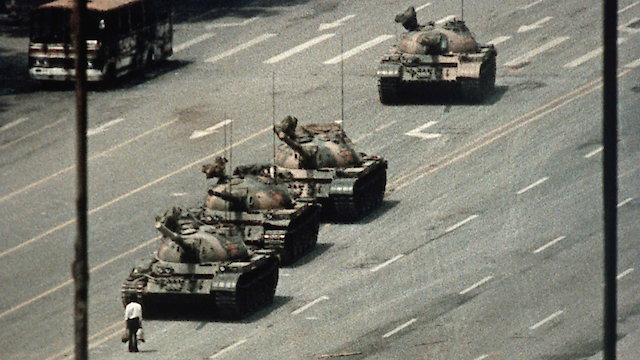
The Gate of Heavenly Peace
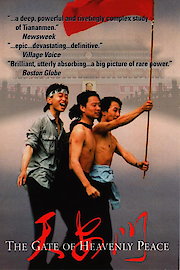
The Gate of Heavenly Peace
 8.5/10
Where to Watch The Gate of Heavenly Peace

The Gate of Heavenly Peace is a sweeping and profound 1995 documentary that amalgamates extensive archival footage, interviews, and historical analyses to create an impactful depiction of the infamous 1989 Tiananmen Square protests in Beijing, China. The directors, Carma Hinton and Richard Gordon, along with co-director Geremie Barmé, meticulously weave a narrative that stands tall in its comprehensive exploration of the event, its background, stages, complexities, and aftermath. The narrative voiceovers are done by Deborah Amos and Edward Stanley, adding a gravitas to the storytelling.
The movie takes its title from the direct English translation of Tiananmen, which means 'Gate of Heavenly Peace.' The irony isn't lost on the viewer as Hinton and Gordon delve deep into the story, which was anything but peaceful. Through her personal background growing up in Beijing, Carma brings an insider's perspective that offers viewers unprecedented access to the beating heart of Chinese society, culture, and politics. Her command over the language and nuanced understanding of the local dynamics adds layers of authenticity and depth to this film.
The documentary doesn't merely reiterate the well-known parts of the story of the Tiananmen protests; instead, it inspects the largely overlooked or misunderstood socio-political ground that led up to the protests and the wide-ranging repercussions that followed. The film opens with the famous event – the gathering of a million people at Tiananmen Square demanding political reform – and flows backwards and forwards in time, exploring historical precedents, institutional barriers, and ideological clashes that fed the demand for democracy.
Edward Stanley's voiceovers, in harmony with Deborah Amos', guide the audience through various stages of this historical incident, revealing complexities never before reached by Western media. The filming style deploys a combination of interviews, news footage, and reconstructions, painting a picture of the events in their full turmoil and idealistic fervor. The interviews are carefully selected, presenting the views of students, workers, intellectuals, and government officials who participated in, witnessed or impacted the protests one way or another.
The film is remarkable in its commitment to providing context. It places the Tiananmen protests within the larger umbrella of China's philosophical and political history, tracing back to the Cultural Revolution's residues and the aspirations ostensibly suppressed under an autocratic regime. The documentary excavates the ideological rifts and internal conflicts within the protesting groups, depicting a not-so-coherent movement often overshadowed by the more dramatic narrative of student protesters versus the government.
Beyond the vivid recording of the facts and the dissection of political ideologies, The Gate of Heavenly Peace becomes a testament to human emotion, courage, and aspirations. The documentary uncovers personal stories, allowing the audience a unique glimpse into the hopes, fears, tragedies, and the indomitable spirit of people willing to risk it all for their vision of a better future.
The documentary presents the government's side of the story without endorsing it, offering a rare glimpse into the mindset and strategies of the Chinese government. This balanced storytelling approach allows the film to break free from black-and-white paradigms, presenting a much more complex portrait of history, colored with many shades of gray.
Comprising a runtime of nearly three hours, The Gate of Heavenly Peace is an ambitious endeavor that examines one of the most polarizing events in modern Chinese history. It remains a formidable documentary in its thoroughness, empathetic telling, and in providing a sophisticated understanding of the dynamics at play. By creating a rich tapestry of images and voices from the past, the film serves as an important visual archive for generations to understand the history that changed the lives of millions and continues to shape contemporary China.
With its bold commitment to unravel historical truths and its relentless quest for understanding, The Gate of Heavenly Peace stands tall in the realm of historical documentaries, drawing both applause for its courage and criticism for its contentious narrative. Amidst this marked polarity, the film's contribution to expanding the discourse around the 1989 Tiananmen Square protests remains indisputable. It will continue to haunt, intrigue, and inform audiences about those tumultuous days when the 'Gate of Heavenly Peace' bore witness to an uprising that the world will never forget.
8.5/10