

The Countryman and the Cinematograph
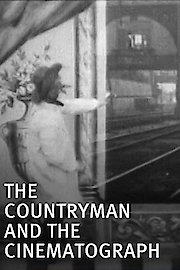
The Countryman and the Cinematograph
 5.7/10
Where to Watch The Countryman and the Cinematograph

The Countryman and the Cinematograph is a short silent film released in 1901 that showcases the intersection of rural life and the burgeoning new technology of the motion picture. Directed by the British filmmaker and special effects pioneer, George Albert Smith, this film is notable not only for its entertaining narrative but also for its subtle commentary on the impact of modernity on traditional lifestyles.
The film opens in a picturesque rural setting, encapsulating the charm and simplicity of country life. It offers a glimpse into the everyday activities of a rural man who embodies the essence of country living—his attire, demeanor, and surrounding landscape contribute to a romanticized depiction of pastoral life. The cinematography features lush greenery, a quaint homestead, and hints of agriculture, all contributing to the idyllic portrayal of the countryside.
As the film progresses, the protagonist, a simple countryman, is introduced to the concept of a cinematograph, an early motion picture projector. This innovative device sparks curiosity in him, bringing forth themes of fascination and bewilderment toward the rapidly evolving technology. The cinematograph serves as a metaphor, representing the confrontation between the traditional ways of life and the inevitable advance of modern technology.
The transition from familiar rural tasks to the introduction of cinema captivates both the character and the audience. The film cleverly utilizes props and visual gags to emphasize the countryman’s reactions to this new invention. His initial confusion and eventual enthrallment mirror the responses of many people at the dawn of the 20th century who were witnessing the introduction of moving images into their lives. The juxtaposition of the serene countryside with the dynamism of the cinematograph creates a rich narrative texture that highlights the contrasts inherent in early modernity.
The engagement with the cinematograph leads to a series of comical misadventures. The countryman, who is portrayed with a light-hearted spirit, attempts to interact with the film apparatus, showcasing physical comedy that appeals broadly to audiences of the time. In a series of humorous sequences, we see him grappling with the machine, flummoxed by its mechanics and capabilities. This comedic element serves not only as entertainment but also as a dramatic device that illustrates the cultural shift occurring as cinema began to emerge as a popular form of entertainment.
The film also plays with the audience’s perceptions. Viewers are positioned to not only witness the countryman's experience but also to reflect on their relationship with the medium of film itself. The playful nature of the proceedings invites laughter while encouraging fascination with the moving images, presenting them as something magical and otherworldly, yet at the same time accessible and amusing. This duality is essential to the film's charm.
Furthermore, the use of visual effects—common in George Albert Smith’s works—adds another layer to the viewing experience. As the countryman interacts with the cinematograph, various spectacles unfold, showcasing the innovative spirit of early filmmakers who experimented with special effects to evoke wonder. With clever cuts and transitions, the film captivates its audience, blurring the lines between reality and illusion, mirroring the enchanting effects that cinema was beginning to produce in early 20th-century entertainment.
The dialogue, or lack thereof, is evocative; the story flows seamlessly through visual storytelling, expressive gestures, and situational comedy. Titles and intertitles typical of silent film era are strategically used to provide context and propel the narrative forward without compromising the playful energy of the visuals. This reliance on visual humor and physical expression underscores the film's capacity to transcend language barriers, allowing it to resonate with diverse audiences.
As the narrative culminates, the relationship between the countryman and the cinematograph blooms into a revealing commentary on the significance of technological change. The film concludes by leaving viewers with a sense of wonder about the future; it captures a pivotal moment in history where the pastoral ideal coexists with the excitement of modern invention. The film serves as a nostalgic reminder of simpler times while simultaneously embracing the dawn of new storytelling mediums.
The Countryman and the Cinematograph stands as a testament to the creativity of early filmmakers and their ability to blend storytelling with the burgeoning visual medium. It not only entertains but also prompts reflections on the role of technology in daily life, making this film an essential piece of cinematic history. Its enduring charm continues to enchant audiences today, serving as a nostalgic look back at the early days of cinema and the joyous wonder that comes with new discoveries.
5.7/10