

Pajaros de verano
Pajaros de verano

Where to Watch Pajaros de verano

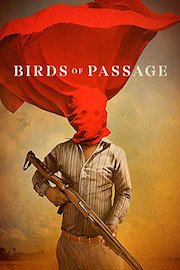
Pájaros de Verano, internationally known as Birds of Passage, is a powerful and fascinating cinematic experience that transports the audience into the indigenous Wayuu community of northern Colombia. This riveting, visually striking film stars Carmen Martínez and José Acosta. Released in 2018, it is a work of directors Cristina Gallego and Ciro Guerra.
Set in the late 1960s and early 1980s, the movie tells an epic tale of pride, greed, and the perilous path towards the inevitable collapse that follows. It cleverly intertwines elements of magical realism with indigenous traditions against the backdrop of Colombian drug trade, rendering a potent narrative that transcends the conventional parameters of its genre.
Martínez and Acosta give exceptionally strong performances as Úrsula and Rapayet. Úrsula (Martínez) is a formidable matriarch of the Wayuu community, a resilient woman whose wisdom and tenacity hold her family together even as the world around them deteriorates. Rapayet (Acosta), on the other hand, is an ambitious man who, captivated by the prosperous allure of the flowering marijuana business, tumbles down a life-changing course. Their relationship brings a captivating dynamic to the story and carries much of its emotional weight.
Gallego and Guerra's masterpiece opens up a dialogue about how the drug business changed the face of local societies. At the same time, it underscores how maintaining ancient customs, rituals, and principles becomes challenging, if not impossible, amidst the uncontrollable whirlwind of change, corruption, and conflict. Deep-rooted principles are tested, loyalties are questioned, and a culture's resilience is stretched to its breaking point, resulting in an inevitable downward spiral.
Birds of Passage is much more than a conventional crime epic; rather, it is a beautifully shot and haunting exploration of tradition, honor, family, and culture within the confines of an encroaching world. The cinematography is breathtakingly beautiful, capturing the untouched landscapes of the Guajira Desert, a stark contrast to the violent turmoil that the characters experience.
This film aptly conveys ancient traditions and practices, primarily focusing on the Wayuu tribe's codes and rituals. One distinct custom represented is the 'word messenger,' a neutral figure invoked in disputes to convey messages between conflicting parties, signifying the tribe's commitment to peace and diplomacy. Such details truly enrich the narrative and offer a compelling portrait of a society grappling with rapid change.
The soundscape of Birds of Passage is equally remarkable, merging peaceful natural sounds with the tumultuous noise of the new era. The film also successfully uses local music to enhance and intensify the narrative's emotional depth. Throughout the movie, the importance of language is a central element with dialogues often taking place in Wayuunaiki, the indigenous language of the Wayuu people.
While Birds of Passage indeed depicts the violence and social deterioration that came with the drug trade, it refuses to cater to sensationalized portrayals of this reality. Instead, it insists on grounding its characters in their cultural context, emphasizing the human cost and the societal transformation brought about by this historical passage. The narrative concentrates as much on the personal and cultural consequences as it does on the broader ramifications of the drug business.
Birds of Passage is a spellbinding piece of cinema that elegantly weaves historical reality and cultural depth into its narrative fiber. It is a celebration of the region's indigenous culture showcased through unforgettable performances, lush cinematography, and a gut-wrenching narrative. This depiction of the impacts of the drug trade on indigenous communities creates an engrossing, visceral, and thought-provoking experience for audiences worldwide.