
Monks: The Transatlantic Feedback
Monks: The Transatlantic Feedback
"First avant-garde beat band in pop history"
 7.4/10

Where to Watch Monks: The Transatlantic Feedback

Monks: The Transatlantic Feedback is a captivating 2006 documentary directed by Dietmar Post and Lucia Palacios. The movie runs for 100 minutes and uses dynamic storytelling to stir up nostalgia while delivering an invaluable historical perspective. With Jimmy Bowien, Gary Burger, and Larry Clark taking center stage, the film charts the tumultuous journey of the American rock band The Monks and brings to life the cultural zeitgeist of the '60s.
The movie takes its name directly from the band's groundbreaking connection that it established between America and Germany. "Monks: The Transatlantic Feedback" is more than just a nostalgic trip down memory lane; it's a riveting exploration into the making of a band that left an indelible mark on the music industry - a band known for their avant-garde music style, unique stage presence, and profound messaging in their songs.
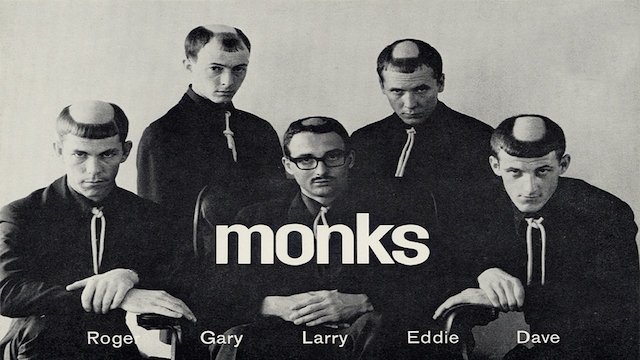
The band consisted of five American GIs stationed in Germany, namely Gary Burger, Larry Spangler, Dave Day, Eddie Shaw, and Roger Johnston. The documentary sketches an engrossing portrait of these five men who, even as ordinary soldiers, discovered an extraordinary passion for creating music that was daringly rebellious and strikingly subversive in the sedate landscape of the 1960s.
The leading role is given to Jimmy Bowien, an influential music manager based in Germany, who took it upon himself to steer this band of rookie talents towards the spotlight of European underground music. Bowien's ambitious and eccentric vision for The Monks, coupled with their radical aesthetics – branding themselves with tonsured hair and wearing monk habits – serves as a distinctive plotline throughout the film.
Gary Burger, the lead guitarist and vocalist of The Monks, delivers a remarkable presence in the film. His vivid recounting of the band's experiences, from their initial formation to their rise and implicit cultural impact, is a cohesive thread that binds together the documentary's narrative. Larry Clark, the band's keyboardist, adds depth and texture to the plot as he shares insights into their peculiar style and the cultural dynamics of the era.
"Monks: The Transatlantic Feedback" unfolds largely through interviews, stunning archival footage, rare photographs, and compelling anecdotes from the surviving band members. It paints an intriguing image of a shifting cultural and artistic era. The film delightfully captures the rock-n-roll lifestyle that shook up old-world conventions and cast an entrancing allure on the youth of the '60s.
A striking aspect of the film is the sheer boldness of their music, which dared to revolutionize contemporary rock with a raw and minimalist approach. The Monks' pioneering use of feedback and distorting tones all wrapped up in ear-grabbing lyrics turned heads in both Europe and America. The director duo, Post and Palacios, offer the audience an immersive and audial experience of these unique sounds, perfectly capturing the rebellious spirit of the band.
One of the glowing achievements of "Monks: The Transatlantic Feedback" is its highlight of just how instrumental The Monks were in ushering in experimental rock music, directly influencing many future musicians. Although their popularity remained relatively contained within the European music scene, their legacy is reflected in the punk and indie movements that followed.
The film wisely avoids romanticizing the band, instead opting to present the irreverent, impulsive, and fiercely independent group of musicians as they were. The Monks were a product of their time, a reactionary force against traditional constructs, not just in music but also in societal norms. Through its intimate interviews, the documentary reveals that behind the 'bad boy' monk personas were impassioned artists driven by a shared ambition to break new ground in music.
In conclusion, "Monks: The Transatlantic Feedback" is not just a music documentary; it is a historical document that eloquently records a turning point in the annals of music, culture, and style. It recounts the boundary-pushing journey of a band evolving against the backdrops of a post-war, Cold War era in Europe and the modest beginnings of rock-n-roll in America. Whether you're a diehard fan of The Monks, a lover of vintage rock music, or someone with an interest in cultural history, this documentary delivers an entertaining and reverberating rhythm that keeps you hooked till the end.
7.4/10