

I Am a Hotel
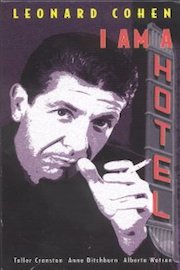
I Am a Hotel
 7.6/10
Where to Watch I Am a Hotel

I Am a Hotel is a unique and visually captivating film released in 1983, distinguished by its blend of dance, music, and storytelling. Directed by the innovative filmmaker, the film explores themes of love, loss, and the transient nature of human connections through the metaphor of a hotel. Set against the backdrop of an eclectic hotel, it harmoniously intertwines various artistic elements, primarily emphasizing the expressive capabilities of dance.
The narrative unfolds within the confines of the hotel, a character in its own right, serving as a bustling microcosm of society. The hotel acts as a transient dwelling for a diverse array of guests, each with their own stories, dreams, and heartaches. The film does not merely tell a linear story; instead, it immerses the audience in a series of vignettes that capture the essence of human experience, told through the bodies and movements of the dancers.
Toller Cranston, known for his mesmerizing artistic expression, leads the film with an impressive performance that encapsulates the emotional depth of the characters he portrays. He is joined by the talented Anne Ditchburn and Bob Desrosiers, both of whom contribute their exceptional dancing skills to the narrative, creating a tapestry of movement that enhances the film's themes. The dancers’ performances are powerful and emotive, utilizing the language of ballet to convey a range of emotions—from joy and exuberance to sadness and nostalgia.
The cinematography is a visual feast, filled with rich colors and inventive camera work that complements the choreography. It captures the fluidity of dance and movement while making the hotel a vivid setting that pulses with energy and life. The visual style is complemented by an evocative musical score that enriches the atmosphere, further immersing the audience in the hotel’s ambiance. The music serves as a heartbeat to the film, guiding viewers through the emotional landscape of the characters’ lives.
As guests come and go, the film reflects on their fleeting interactions, each one leaving an impression not only on one another but also on the space around them. The hotel becomes a metaphor for the transient nature of life, relationships, and memories. Through the lens of the hotel, I Am a Hotel examines the beautiful yet melancholic reality that connections are often transient, yet profoundly impactful.
The stories told through the dances range from romantic encounters and shattered dreams to personal revelations and moments of introspection. Viewers witness fleeting romances that bloom under the fluorescent lights of the hotel lobby, heart-wrenching farewells in the shadows of the stairwells, and joyful reunions that erupt in spontaneous celebrations. Each dance sequence tells its own story, drawing upon the emotions behind the guests’ experiences and their relationships with one another, making the hotel a swirling vortex of human experience.
The film's narrative, while non-linear, emphasizes the interconnectedness of all its characters. While focusing on individual stories, it acknowledges the shared space they occupy and highlights the idea that everyone is passing through the same hotel of life, experiencing their joys and struggles in parallel. The characters' interactions often serve as poignant reminders of the beauty and pain inherent in human relationships.
In addition to its exploration of personal and collective experience, I Am a Hotel delves into the deeper psychological and emotional landscapes of its characters. Using dance as dialogue, the film engages with themes such as loneliness, longing, and the search for identity. Each character’s struggles and triumphs are articulated not through words, but through movement. This thoughtful approach allows viewers to connect with the characters on a visceral level, provoking introspection about their own experiences and relationships.
The film ultimately leaves viewers with a sense of both wonder and melancholy—a recognition of the beauty that exists in fleeting moments and the significance of each encounter in shaping our lives. The hotel, as a setting, represents a crossroads where lives intersect, only to diverge once again, underscoring the film's meditation on impermanence.
I Am a Hotel stands out not only for its artistic merit but also for its ability to evoke deep emotions and resonate with universal human experiences. It is a poignant reminder of the power of dance and music as tools for storytelling and emotional expression, inviting viewers to reflect on their own journeys through the metaphorical hotels of their lives. Through its exploration of connection and transience, the film remains a timeless piece that captivates and enchants, offering a rich and immersive experience that lingers long after the final scene.
7.6/10