

Fairytale of Kathmandu
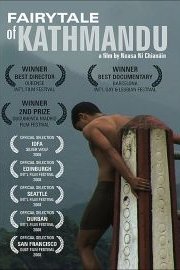
Fairytale of Kathmandu
"Not every fairytale has a happy ever after"

Where to Watch Fairytale of Kathmandu

Fairytale of Kathmandu is a 2007 Irish documentary film directed and narrated by Neasa Ní Chianáin. The film presents a vivid, multifaceted view of Kathmandu, interweaving complex themes of cultural collision, exploitation, and ethics in storytelling.
The narrative of the film is driven by the fascination and affection that the renowned Irish poet, Cathal Ó Searcaigh, has towards Kathmandu, the capital city of Nepal. Ó Searcaigh's annual visits to Nepal mark moments of upliftment and exploration for him, where he nurtures friendships with a group of young Nepalese boys, providing them with financial and educational assistance. His experiences and interactions form the crux of the story, presenting a personal and humane side of the city that remains often untouched by conventional tourism pitches.
Fairytale of Kathmandu is notable for its exquisite cinematography that captures the essential beauty and raw charm of Kathmandu. From the narrow bustling streets to the tranquil Buddhist temples, the camera evokes the vibrant colours and varied rhythms of Nepalese life, providing viewers with an immersive cultural experience.
Chianáin, as the film’s narrator, attempts to provide an unbiased and unraveling observation of Ó Searcaigh's relationships and adventures, leading to a deeply nuanced character study. This documentary shifts from an initial tone of admiration towards Ó Searcaigh, portraying him as a generous benefactor, to one of progressively complex deception and revelation. However, it is worth noting that the film makes no definite verdicts on Ó Searcaigh or his actions, but rather leaves the audience to draw their conclusions.
The film also gives a voice to the Nepalese boys and young men who are associated with Ó Searcaigh. Their dreams, aspirations, and relationships with Ó Searcaigh provide a perspective that aggravates and complicates the narrative. Hence, Chianáin’s portrayal resonates with empathy and sensitivity, keenly aware of her obligation towards her subjects.
Simultaneously, the documentary raises profound questions about the ethical implications of storytelling and representation in the world of documentaries. It underscores the complexities and potential abuses of power in relationships that emerge within vast socio-cultural and economic disparities. Starkly revealing the discrepancies between the first-world privileges of Ó Searcaigh and the poverty-stricken realities of his Nepalese friends, the film manages to raise pertinent dialogues on exploitation, manipulation, and consent.
Moreover, the film’s narrative structure is inherently dramatic, constructed like a thriller unfolding in real-time while simultaneously exploring the constant dilemmas faced by the documenter. Chianáin’s own journey, as an observer entangled in her subject’s world, gives the film a meta-filmic dimension, starkly revealing the challenges associated with documenting real life.
The documentary's poignant music score, composed by Susan Doyle and Fionán de Barra, perfectly complements the film's tone, intensifying emotions while unobtrusively blending with the visuals. The music further enhances the narrative, providing an artistic layer that reflects the joy, despair, ambiguity, and tension that pervade the film.
Fairytale of Kathmandu invites viewers to dive into an exotic world deeply intertwined with beauty, love, trust, deception, and exploitation. It offers a fascinating exploration of Kathmandu through the eyes of an outsider, challenging viewer perceptions and prompting cultural and ethical introspection. This gorgeously shot, emotionally charged journey through Nepalese life is not merely a 'fairytale,' but a deeply thought-provoking piece of cinema that sticks long after the credits roll.