
Dear Pyongyang
Dear Pyongyang
 7.8/10
Where to Watch Dear Pyongyang

Dear Pyongyang is a profoundly personal and thought-provoking documentary film from 2005, helmed by Japanese-born filmmaker Yang Yong-hi. The film is a deeply intimate exploration of her life as an ethnic Korean in Japan and the heart-wrenching nuances of her family's fraught relationship with North Korea.
Yang Yong-hi, whose parents were avid supporters of reclusive North Korea, shares the intricate dynamics of her family's identification with the communist state. The film offers a mature and deeply insightful exploration of the dilemmas, conflicts, and divided feelings of a family torn between two countries, their strongly held political beliefs, and the stark reality on the ground.
The narrative of Dear Pyongyang is established through Yang's distinctive storytelling, which employs archival footage, interviews, conversations, letters, and personal anecdotes as key cinematic elements. The film's storytelling approach allows the audience to experience the unfolding events through Yang's perspective, making the narrative personal and deeply emotional.
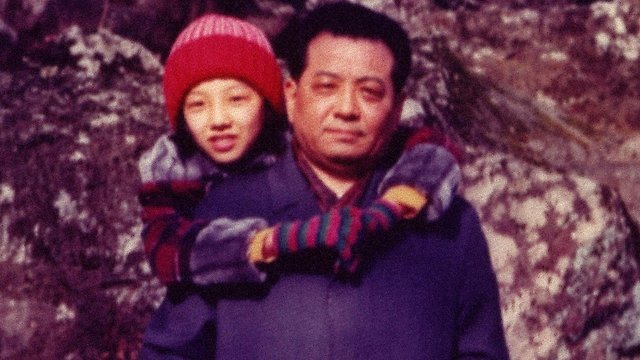
Central to the movie is Yang's relationship with her father — a man who profoundly believed in the North Korean socialist dream and, in accordance with that belief, took the unimaginable step of sending his three sons to North Korea in the 1970s as a part of the "return" program. The "return" program was initiated by North Korea, with the hope that these young and educated people could contribute to the country's growth. This decision continues to be a bone of contention within Yang's family, given the deteriorating living conditions in the reclusive state, prompting Yang to express her feelings, hopes, and fears candidly and honestly.
The film's narrative delves into the emotional turmoil Yang's brothers experienced as they grappled with their identity, faith, homeland, and the stark contrast between the lives they were living and the unfair expectations placed on them. The director beautifully captures the tension and high emotions when they visit the family in Japan or during her trips to Pyongyang, managing to keep personal relations and political implications in a delicate balance.
Moreover, Dear Pyongyang is also an exploration of the life and identity struggles of Zainichi Koreans—ethnic Koreans living in Japan who have, over generations, developed a unique culture that interweaves Korean and Japanese traditions. The film evokes empathy as it dwells into the conflicts that Zainichi Koreans experience, their battle for identity, and their struggle within a politically sensitive and often exclusionary society.
Visually poignant and emotively engaging, Yang's documentary is filled with unspoken words, lingering silences, and raw emotions. The letters Yang writes and reads out loud for her family in North Korea are a recurring motif in the movie, filled with love, sorrow, regret, hope, despair and the silent plea for their safe return.
A powerful part of the film is Yang's interaction with her father. The father-daughter relationship is portrayed with care, making sure to show the complexities that arise due to their ideological differences. The seemingly unshakeable faith her father has in his political allegiance is constantly contrasted with Yang's emotional anguish, showing two stark perspectives on one harsh reality.
Engaging with the personal and political, she presents her father not as an indoctrinated adherent, but a man helpless in his own conviction. Yang's voice, while soft-spoken and controlled, resonates with the strength of her inner turmoil.
Dear Pyongyang raises numerous poignant questions about allegiance, identity, sacrifice, and the nature of political belief – encapsulated not in abstract political discussions, but in the personal experiences and narratives of a single family. The beauty of the film lies in its ability to evoke a matrix of emotions through a heartfelt narrative and haunting images, capturing the complexity of human emotions and life at the threshold of two colliding worlds.
In conclusion, Dear Pyongyang stands as a soul-stirring journey exploring the crossroads of personal identity and political ideology. Yang Yong-hi paints the picture of her personal tragedy lying at the intersection of familial love and political divide, making it a must-watch for those who appreciate deeply moving, personal documentaries.
7.8/10