

Crusade in the Pacific: Guadalcanal America's First Offensive
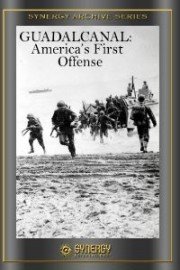
Crusade in the Pacific: Guadalcanal America's First Offensive

Where to Watch Crusade in the Pacific: Guadalcanal America's First Offensive

Crusade in the Pacific: Guadalcanal America's First Offensive is a critically acclaimed documentary film that delves into the historical significance and the profound impact of America's first significant offensive during the World War II, principally conducted on the island of Guadalcanal in the Solomon Islands. Hailed for its insightful crafting and rendering of one of the most seminal moments of early 20th-century history, this documentary film takes the audience on a riveting and enlightening journey back in time.
The movie employs a rich diversity of primary sources in complement with expertly curated storytelling to recreate the events leading up to, during, and after the offensive. From rare, previously unseen archival footage to captivating interviews with war veterans and expert military historians, Crusade in the Pacific: Guadalcanal America's First Offensive is an educational and essential viewing for those interested in history, especially World War II enthusiasts.
The film starts a bit before August 7, 1942, the official commencement of the Guadalcanal campaign, as it provides a brief overview of the strategic importance of Guadalcanal and the surrounding islands. These Pacific Islands, considered significant for their geographical location, could serve either as a strong advanced base for the Japanese to attack strategically important points in Australia or as a crucial base for the allies for further advancement into the Pacific theater.
The intricate detailing of the preparation stages by the American troops and the subsequent launch of the offense, named Operation Watchtower, forms the core of the documentary. It adeptly chronicles the initial surprise landing that led to the swift capture of an under-construction airfield (later known as Henderson Field), and then evolves into an intense narrative of the relentless six-month long conflict that ensued.
Crusade in the Pacific: Guadalcanal America's First Offensive manifests the truth about the exhilarating yet brutal nature of warfare and the colossal human effort required to partake in it. The filmmakers do not shy away from depicting the harrowing conditions both sides faced during the campaign. The grueling jungle warfare and the dreadful living conditions in a malarial environment, the immense naval battles fought in the surrounding waters, and the severe artillery and aerial fights that the U.S. Marines had to engage in to repulse incessant counterattacks from the Japanese forces – all find a harrowing portrayal in the movie.
Largely considered a turning point in the Pacific War, the Guadalcanal offensive had far-reaching implications well beyond the battlefield. These included impacting the domestic political landscape in the U.S., decimating the morale of the Japanese forces, and essentially changing the course of the war in the Pacific. The film examines these aspects with careful precision, deeply enhancing the viewer’s understanding of the historical event’s magnitude.
On a techno-cinematic level, Crusade in the Pacific: Guadalcanal America's First Offensive is a masterclass in documentary filmmaking. It maintains a commendable balance of factual exposition and visual storytelling, creating an engaging dynamic for viewers. The cinematography includes authentic, raw footage and carefully restored visuals, while the sound design impeccably incorporates actual war sounds and narrations. Moreover, interviews with veterans and historians add a human touch to the war narrative, capturing the raw emotions, fervor, and grim realities associated with the historical event.
In conclusion, Crusade in the Pacific: Guadalcanal America's First Offensive is a profoundly informative and moving depiction of the Guadalcanal campaign, a significant chapter in the history of the Pacific War. It comprehensively elucidates the operational strategies, the ruthless confrontation in the battlefield, and the subsequent ripple effects of this landmark event, contextualizing it within the larger narrative of World War II. Those fascinated by military history, in particular, will find this film captivating, educational, and deeply thought-provoking. The film manages to evoke a sense of reverence for the sacrifices made by the soldiers while raising essential questions about the devastation associated with warfare.