

Barzan
Barzan
 6.6/10

Where to Watch Barzan

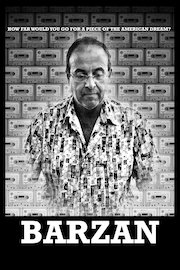
The documentary film Barzan, directed by Alex Stonehill and Bradley Hutchinson, was released in 2013. Transcending the usual narrative of immigration and adjustment in the United States, the film takes a sharp twist into national security issues post 9/11, plunging us into the tense intersection of immigrant dreams, homeland security paranoia, and varying definitions of the 'American Dream'.
At the heart of the film is Sam Malkandi, an earnest Kurdish immigrant living in Washington State. He moves to the United States with his family, seeking to escape the oppressive conditions of his home country: Iraq. He dreams of a better life – not just for him, but for his wife and children as well.
The title 'Barzan' refers to the northern Iraqi village in which Sam Malkandi had lived. Historically, Barzan has been significant for the Kurdish people as a site of resistance, and compared to the relative peace of Seattle suburbs, offers a stark contrast in the narratives of the Malkandi family.
Through a variety of storytelling methods such as family interviews, home movies, and official court transcriptions, the film paints a comprehensive portrait of Malkandi's journey from Iraq to the United States, along with the tumultuous turns his life takes years after he settles in his new homeland.
Sam's ambitions and dreams for his family come to a jarring halt when the U.S. government labels him as a 'person of interest' in regards to national security. This is the peak of the post 9/11 era, and in the paranoia that ensues, Sam Malkandi finds himself scrutinized for his innocent connections when letters written by a friend from overseas surface and catch the attention of the authorities. This leads to a high-stakes immigration trial, where the definitions of terrorism, identity, and the pursuit of the 'American Dream' are starkly examined.
While primarily a documentary focused on Malkandi and his family, Barzan also delivers a broader narrative about national identity and the impact of homeland security measures on the everyday lives of immigrants in the United States. It thoughtfully examines the implications of ‘guilt by association’ and humanizes the face of a contentious issue in contemporary American society.
Barzan isn't just a tale of an immigrant family; it also challenges viewers to reassess their understanding of national security measures, identity, and perceptions of 'otherness'. The realities and responses of the Malkandi family in the face of deep uncertainty provide a poignant exploration of what it means to pursue the 'American Dream' amidst a climate of fear and misunderstanding.
The film serves as a powerful narrative in the general discourse around issues such as immigration, discrimination, and terrorism, urging the audience to empathize with a family that has faced such severe hardships. The sheer humanity portrayed in the film invigorates emotions while stirring discussions hinged on key socio-political themes.
Important conversations around intricate and convoluted legal systems, unclear definitions of terrorism, and the role of the media in shaping public opinion, commingle in the narrative of Barzan, rendering it rich in subject matter and cultural insights.
Alex Stonehill and Bradley Hutchinson have indeed brought forward a humanizing narrative that succeeds in deepening our understanding of a world post 9/11, and shedding light on the lived realities of immigrants amidst security paranoia.
Barzan’s strength lies in its ability to display the vulnerability, resilience and complexity of a family being eyed as a 'threat' by the authorities. The film carefully exposes the collateral damage of a security response that at times arguably leans more towards reactionary fear than rational policy.
While examining these weighty issues, Barzan remains an emotional narrative focusing on the Malkandi family’s resilience and strength in the face of adversity. It is a powerful testament to the lengths people will go to protect their loved ones and uphold their dignity, even in the most challenging circumstances. Indeed, the film provides a fascinating blend of the personal and the public, intertwining personal histories with wider issues of national security.
This documentary is not just a thought-provoking piece of film but a critically important cultural document, urging its audience to re-evaluate preconceived notions, challenge assumptions, and strives to make the world a more just and humane place.
6.6/10