
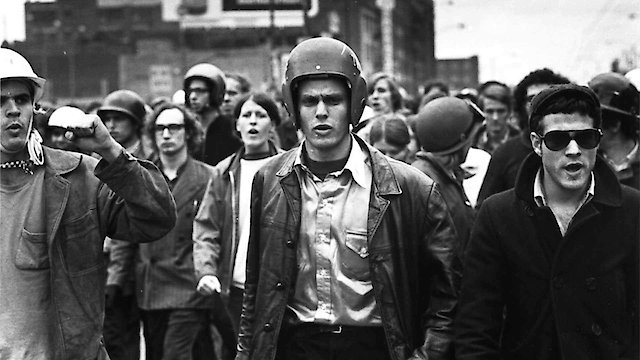
The Weather Underground
The Weather Underground
 7.4/10
 77/100
Where to Watch The Weather Underground

The Weather Underground is a compelling documentary that dives deep into the origins, actions, and legacy of an underground activist group that emerged during the turbulence of the 1960s and 1970s in the United States. Released in 2002, the film is directed by Sam Green and Bill Siegel and serves as both a historical account and a personal reflection on the complexities of radical political activism in America.
At its heart, the film centers around the Weather Underground Organization (WUO), which was born out of the anti-Vietnam War movement. The documentary features a mix of archival footage, personal interviews, and dramatic reenactments to tell the story of a group of young revolutionaries who believed that the only way to combat the systemic injustices and U.S. imperialism of their time was through direct action. The film is structured around firsthand accounts from former members, including notable figures such as Ayers, Dohrn, and Jeff Jones, who candidly share their motivations and the turbulent dynamics that defined their experiences.
The Weather Underground emerged from the Students for a Democratic Society (SDS), a prominent student activist organization. As the war escalated and disillusionment grew among the youth, a faction within the SDS sought a more radical approach to effecting change. This resulted in the formation of the Weather Underground, an organization known for its use of militant tactics, including bombings targeting government buildings and the Pentagon, which they saw as essential in their fight against what they perceived as a corrupt and oppressive system.
The film does not shy away from the weighty moral questions surrounding the actions of the Weather Underground. Instead, it delves into the internal debates these activists had concerning the use of violence as a means to an end. Interviews with former members present a spectrum of perspectives; while some firmly believed in direct action as necessary and justified, others grappled with the ethical implications of their choices. This exploration of conscience is a driving force of the film, highlighting the complexities of idealism against the backdrop of real-world consequences.
One of the striking aspects of The Weather Underground is how it captures the atmosphere of the time—a period characterized by social upheaval, racial strife, and a burgeoning youth culture determined to challenge the status quo. The film vividly depicts the sense of camaraderie and urgency felt among a generation that was ironically both empowered and hampered by its ideals. The narratives of personal connections, friendships, and romantic entanglements among the group members add a layer of emotional depth, humanizing these historical figures who are often seen only through the lens of their radical actions.
The documentary also discusses the shift in tactics over time. Initially, the Weather Underground engaged in strategic non-violent protests; however, as they grew disenchanted with traditional forms of activism, the organization turned to bombings and other forms of militant opposition. The film explores this evolution, providing insights into how each decision shaped their identity and legacy. This transition raises profound questions about the effectiveness of violent resistance in achieving genuine societal change, questions that resonate with contemporary audiences.
In addition to focusing on the Weather Underground's past, the film frames its narrative in relation to present-day social movements, prompting viewers to consider the ongoing struggles for justice and equality. By drawing parallels between the radicalism of the 1960s and the activism seen today, The Weather Underground engages audiences in a broader dialogue about political engagement, disillusionment, and the choices that activists face in their pursuit of change.
Visually, the documentary is a rich tapestry woven from a mix of historical footage, including snippets from protests, interviews with mainstream news outlets of the time, and artistic representations of the group's actions. This editorial style enhances the storytelling, allowing viewers to see the contrast between the idealism of youth and the harsh realities they confront while grappling with their objectives. The juxtaposition of thrilling, revolutionary fervor and the sobering consequences of that fervor is masterfully presented throughout the film.
With a thoughtful narrative and a complex portrayal of its characters, The Weather Underground serves as an essential exploration of radical politics and moral conflict. It invites audiences to reflect on the price of activism and the weight of choices made in the pursuit of justice. Through its intense interviews and emotional storytelling, the film provides a platform for understanding not just the Weather Underground's motivations and actions but also the broader legacy of dissent and resistance within American society.
Overall, The Weather Underground is an engaging and thought-provoking documentary that portrays a critical chapter in U.S. history, prompting viewers to grapple with the questions of morality, idealism, and the relentless pursuit of social change.
7.4/1077/100