

The Viking Serpent: Secrets of the Celtic Church of Norway, Their Serpent Worship and Sacred Pentagram Geometry
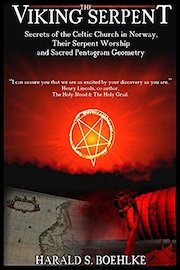
The Viking Serpent: Secrets of the Celtic Church of Norway, Their Serpent Worship and Sacred Pentagram Geometry
 4.6/10
Where to Watch The Viking Serpent: Secrets of the Celtic Church of Norway, Their Serpent Worship and Sacred Pentagram Geometry

The Viking Serpent: Secrets of the Celtic Church of Norway, Their Serpent Worship and Sacred Pentagram Geometry is an intriguing documentary from 2008, starring Harald Boehlke, a historical researcher, and Philip Gardiner, a renowned author, filmmaker, and explorer. The film is an entrancing journey into the little-known history of serpent worship in the Celtic Church of Norway and the secret geometries hidden within the Scandinavian landscape.
The film starts with Boehlke and Gardiner constructing an articulate premise rooted in historical research and archaeological evidence, suggesting that the Celtic church in Norway had a distinctive serpent worship tradition engrained in its culture and religious practices. The ancient connections between the Vikings and the Celts are explored, lay bare the shared ties between these seemingly disparate cultures. The serpent is of special significance, as the film dives into its historical relevance and its symbolisms in various cultures and religions.
Boehlke, leveraging years of in-depth study, explains how the serpent symbolizes wisdom, enlightenment, and rebirth in myriad cultures across the world. Guiding viewers through the intricate timelines, the film investigates the powerful backdrop of Norse mythology, underlining such key figures as the world serpent Jormungandr, Thor, and Odin, suggesting there might be links to the Celtic church’s serpent worship. The storyline jetisons from the Vikings to the Celts, weaving together a richer picture of European history.
The narrative then steers towards the intriguing aspect of sacred geometry. With Gardiner’s expertise, viewers are introduced to the concept of pentagram geometry – a sacred shape that has been used for centuries in religious and intellectual contexts. Gardiner's insight into this five-pointed star's symbolism and significance traces its presence and the enigma surrounding its use in various historical and religious artifacts, sacred texts, and even architecture.
Yet, the exploration of the pentagram and serpent aren't isolated investigations. The filmmakers delicately use these two symbols in a continuum, pulling back to reveal a larger pattern in the sacred landscape of Norway. The concept of landscape geometry, a painstakingly intricate design carved into the earth and discovered through geometric coordination of sacred sites, is brought to the foreground. The duo puts forward an argument that these geometrical layouts traced into the landscapes represent pentagrams and serpentine designs.
The film does not conflate mere speculation with facts, and it is for this very reason that it is repeatedly emphasized that the revelations have been based on rigorous research, incorporating verifiable historical records and archaeological finds rather than conjecture. This makes the viewing experience more engaging and credible, as they attempt to challenge conventional wisdom and bring forward a wider discourse on the hidden depths of historical religious practices.
Aeronautical maps, historical records, eye-witness accounts, and even satellite technology are employed to make the case. Yet, the documentary remains accessible to lay persons, with explanations distilled into digestible segments, and connections painted clearly.
The Viking Serpent: Secrets of the Celtic Church of Norway, Their Serpent Worship and Sacred Pentagram Geometry is not just a historical documentary—it’s a detective story. Using modern technology, historical records, and archaeological evidence, the film meticulously connects dots across timelines, cultures, and geographical boundaries—creating a narrative tapestry that will surprise, challenge, and intrigue viewers.
Highly engaging visuals lend a strong backdrop to the film, with drone footage of Norway's verdant landscapes, historical sites, and ancient churches. This is woven seamlessly into the narrative, contributing to a well-rounded and visually compelling documentary experience. This is more than just a didactic presentation; it is, in essence, an exploratory journey that takes viewers through the fascinating, complex history of serpent worship and sacred geometry.
As Harald Boehlke and Philip Gardiner navigate these fascinating narratives, they fuse academic rigor with captivating storytelling, making this a documentary film befitting anyone who revels in history’s mysteries, religious symbolism, ancient mythologies, or simply appreciating an intellectual adventure.
This film yields new perspectives not only on the history of the Celtic Church and Viking culture but also on how we understand and interpret religious rituals, symbols, and the narrative threads that connect us all. Through compelling storytelling and multidisciplinary research, The Viking Serpent: Secrets of the Celtic Church of Norway, Their Serpent Worship and Sacred Pentagram Geometry is sure to ignite your curiosity and leave you with thought-provoking insights long after the closing credits.
4.6/10