
The Speckled Band
The Speckled Band
"TERRIFIED! Maked for Death by the Words That Sealed Her Marriage!"
 5.3/10
Where to Watch The Speckled Band

The Speckled Band (1931) is an engrossing cinematic interpretation of Sir Arthur Conan Doyle's renowned short story, featuring the much-adored crime-busting duo, Sherlock Holmes and Dr. John H. Watson. In this British mystery film, the plot manages to delving into the extraordinary world of crime and detective fiction, and skilfully marries this with artful performances to create an unforgettable cinematic experience that showcases the exciting era of early sound-movies.
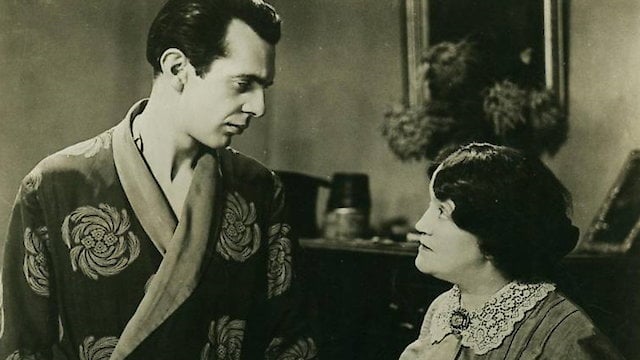
The film is headlined by the inimitable Raymond Massey in a remarkable, career-orchestrating performance as Sherlock Holmes, bringing to life the esteemed detective's characteristic blend of erudition, perceptive wit, and ironically detached charm. His eloquent delivery of lines carves out a persona that is as intriguing as it is complex. Dr. Watson, Sherlock's amiable and reliable sidekick, is portrayed by Arthur Wontner, whose nuanced performance makes for an excellent visual representation of Watson's character as we know from the novels. Lyn Harding brings a thrilling presence to the film through the shady character of Dr. Grimesby Rylott, making him as sinister and menacing as Doyle fans would expect.
Set in the murky, fog-shrouded expanses of Victorian London, with its gas-lit cobblestone streets and looming gothic architecture, the film faithfully maintains the atmospheric settings of Doyle's writings. The unfolding narrative ambitiously tries to capture the tense, eerie mystique of the original story, while also incorporating elements of suspenseful dramatization and uncanny situational explorations typically associated with early horror flicks.
The Speckled Band revolves around a troubling mystery that reaches Holmes and Watson under dramatic circumstances. Helen Stoner, a young woman frightened for her life, seeks their help after the strange death of her sister just before her impending marriage, fears that she now faces a similar fate. Her only clue is her sister's cryptic last words about a “speckled band.” This strange revelation sets Holmes and Watson on a thrilling pursuit of truth, with danger lurking at every corner of their ominous journey.
The film's allure lies in its sinister plot, composed of strange nocturnal visitations, familial treachery, exotic killers, and Holmes' analytical prowess that probes beneath the surface of these odd circumstances. The highlight of the film is the duo's thrilling nocturnal vigil, a masterstroke of suspense that has been etched into the history of detective fiction for its sheer complexity and nail-biting tension.
Angela Baddeley successfully portrays the character of Helen Stoner, instilling some emotional depth into the tense plot with her captivating performance. The throbbing undercurrent of implicit danger that surrounds Helen's character masterfully complements the roles of Holmes and Watson, instigating and then perpetuating a cycle of tension that keeps the audience riveted from start to finish.
Director Jack Raymond shows off his filmmaking prowess and succeeds in delivering a suspenseful narrative that evolves at its own steady pace yet manages to keep viewers at the edge of their seats. The film’s noteworthy filming techniques and the striking set designs create a moody ambiance, enhancing the movie's storytelling with a visual narration that confidently pronounces its horror legacy.
The movie's audio component is also worthy of attention, culminating in the unique strength of sound technology as this era of British filmmaking evolved from silent films to the advent of "talkies". The score perfectly complements the visual narrative with the use of tension-building music interludes, creating an atmospheric soundscape that heightens the pleasurable suspense.
The Speckled Band, with its intriguing plot adapted from a classic Sherlock Holmes story, evokes a sense of escapism into the underbelly of Victorian London. This movie straddles the fine line between late silent era productions and those coming into the sound era, effectively combining the atmospheric aesthetics of the former with the exciting possibilities offered by the latter. With this well-crafted historical context meshing seamlessly with compelling performances and gripping plot, this film stands as a testament to early 20th-century cinema and its interpretative prowess.
5.3/10