
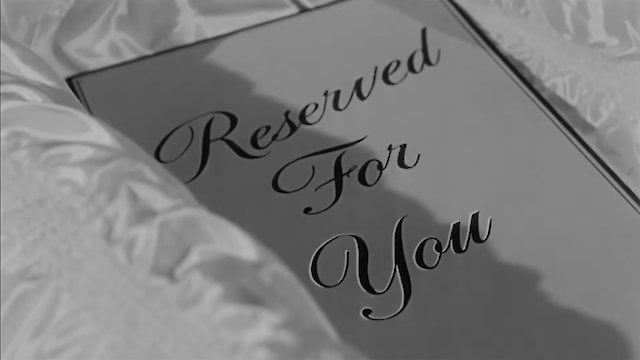
The Screaming Skull
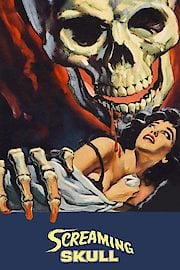
The Screaming Skull
"The tortured ghost who claims vengeance in the bride's bedroom!"
 3.9/10
Where to Watch The Screaming Skull

The Screaming Skull is an atmospheric, black and white classic iconic to the 1950's horror genre. Directed by Alex Nicol, and featuring the talents of John Hudson, Peggy Webber, and Russ Conway, this movie delivers eeriness and suspense with understated special effects representative of the era in which it was produced.
John Hudson stars as Eric Whitlock, a sophisticated and seemingly understanding man with a suave presence and a glint of mystery. Peggy Webber breathes life to Jenni Whitlock, Eric's complicated and fragile wife who's life has been tainted by tragic past. The couple move into Eric's old family mansion after their marriage— an estate which is beautiful on the surface but tinged with a foreboding aura.
Webber’s performance as the haunted and impressionable Jenni ensures that viewers are instantly sympathetic to her. From the very beginning, she is seen striving to cope with her new lifestyle while wrestling with the gloomy echo of her past, which includes being the sole survivor of a car crash that took her parents. The portrayal brings an authentic feeling to her character’s decline into paranoia and fear.
Russ Conway plays Reverend Snow. As a confidant and friend to the couple, his portrayal of the likable character solidifies the underlying tension in the movie, constantly present but never quite erupting on the surface. Conway encapsulates this in his portrayal of Reverend Snow, always there to placate, to soothe but always removed from the frightful events that slowly escalate.
As the title might suggest, the chilling allure of the Screaming Skull lies in the superstitious belief it explores. The narrative delves into the ghastly notion of a wronged soul manifesting its unrest through a skull; a concept that chills you to your bones. The eponymous skull, associated with eerie sounds and menacing visual appearances, keeps cropping up all around the mansion and its manicured gardens, amplifying Jenni's distress to an almost unbearable crescendo.
The movie adeptly captures underlying themes of power dynamics, societal expectations on women, mental health, and the navigation of romantic relationships through its masterful scripting. The paranoia and psychological distress that Jenni experiences are not just central to the theme of the movie, but also relevant to the understanding of the era in which it was created.
The cinematography, a noteworthy aspect of the film, enhances its haunting element. Sharp contrasts of light and dark paint a picturesque picture of a frightening world. The shots of the mansion, with its beautiful gardens and an ungainly greenhouse, are particularly lavish, making the creeping fear pervasive even in the beauty of the estate.
In particular, The Screaming Skull possesses a soundscape ingenious for its period. Each rustling of leaves, the constant chorus of insects in the night, and, of course, the eerie scream of the skull, come together to create an ambiance that is truly unsettling.
What sets The Screaming Skull apart is how it requires viewers to ponder, analyze, and deduce. As the events unfold, the viewers are drawn further into the mystery, weaving into and categorizing the details that fill the dialogues, nuances, and innuendos. The final act of the movie is a testament to this, pulling together all the loose strands of this macabre masterpiece to deliver deserved clarity and resolution.
The Screaming Skull is an unsettling journey wrought with creeping dread, deep-seated fear, and underlying psychological interplays. It may not possess the fright factor that modern audiences are used to, but it demonstrates the power of psychological horror and the slow burn of fear. For fans of classic horror and psychological thrillers, The Screaming Skull offers a hauntingly beautiful exploration of multi-dimensional characters plunged into disturbing circumstances, instigating the fear of the unseen and the power of the unknown.
3.9/10