
The Killing of John Lennon
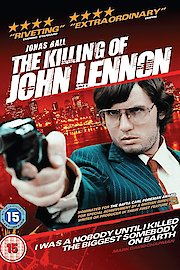
The Killing of John Lennon
"I was nobody until I killed the biggest somebody on earth."
 6.1/10
 49/100
Where to Watch The Killing of John Lennon

The Killing of John Lennon is a gripping 2006 film centered around one of the most tragic events in music history. Directed by Andrew Piddington and starring Jonas Ball, Mie Omori, and Krisha Fairchild, the film is a deep dive into the life and disturbed psyche of Mark David Chapman, the man who assassinated John Lennon.
The film’s narrative begins in 1980, when Chapman, portrayed by Jonas Ball, submits himself to his darkest desires after spiraling into the abyss of his mental health struggles. The film avoids the notable chapters in Lennon's life, and instead, traces the life of the disturbed fan to offer a nuanced picture of the days leading up to the tragic incident on December 8, 1980.
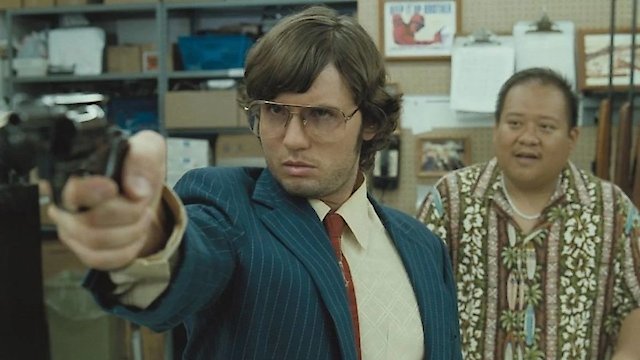
Jonas Ball delivers an eerily captivating performance as Chapman, the loner with a troubled mind. Ball's portrayal of the character makes it less of a character study and more of a harrowing investigation into the complex and conflicive emotions that eventually drove Chapman to commit an unthinkable act. At the core of his portrayal is an immense sense of paranoia and instability, and Ball succeeds in taking the audience into the depth of his character’s troubled psyche.
Mie Omori and Krisha Fairchild, also present commendable performances in the film, giving life to the multiple characters who were dealing with or, more accurately, failing to comprehend the extent of Chapman’s declining mental health. Fairchild, in particular, his wife in the film, offers a touching performance as a woman grappling with her husband’s spiraling mental state, while Omori convincing deliver her role as a woman named Jude who crosses paths with Chapman.
Unlike many films based on historical events, The Killing of John Lennon does not indulge into the sensational or melodramatic. Instead, it approaches its subject with a detached, documentarian accuracy, immersing viewers in a raw, unflinching exploration of its tragic subject. Director Piddington displays a masterful understanding of the complex issues at hand, artfully avoiding the trap of glorifying or demonizing Chapman.
The film is shot in a gritty, near-documentary style, allowing the true events to unfold naturally and lending an additional air of credibility to the narrative. Cinematographer Kieran McGuigan's use of grainy film stock and a subdued color palette adds further intensity to the atmosphere. The production design and costumes transport viewers back to the era with startling realism, capturing the look and feel of late 1970s America down to the minutest of details.
The Killing of John Lennon, however, is not merely a reenactment of a historical event. It delves deeper by using voiceovers taken directly from Chapman's statements and interviews, thereby offering an intimate look into the mind of the man behind the assassination. Through Ball’s compelling narration, the audience is made privy to Chapman's thought process, his struggles, his obsessions, and ultimately, his delusions.
This cinematic masterpiece is a chilling examination of fame, obsession, and the behaviors it can trigger. It's a cautionary tale of what can occur when a person's perception of reality gets skewed and the lengths they may go to make what's in their mind match the world outside. This film might not be comfortable viewing, but it is undoubtedly thought-provoking and starkly realistic, providing viewers with a unique cinematic experience.
Despite its unsettling theme, it's the performances, direction, and production values that immerse viewers. From Ball's empathetic portrayal of a man lost in his darkness, to Piddington's unflinching direction, The Killing of John Lennon is more than a captivating exploration of one of music's most tragic events. It's a stark examination of mental health, societal neglect, and the devastating consequences of fame and obsession.
6.1/1049/100