
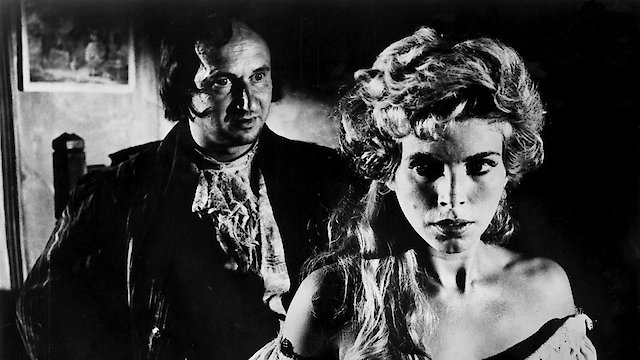
The Flesh and the Fiends
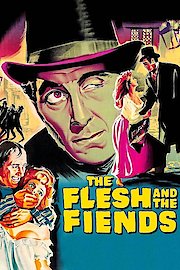
The Flesh and the Fiends
"Coffins Looted! Cadavers Dissected!"
 6.9/10
Where to Watch The Flesh and the Fiends

The Flesh and the Fiends is a 1960 British horror film that delves into the grim and gritty world of anatomy and dissection in 19th-century Edinburgh. Directed by John Gilling, the film features a stellar cast, headlined by Peter Cushing, June Laverick, and Donald Pleasence. It is an adaptation of the infamous real-life story of Burke and Hare, who were known for their gruesome exploits of providing corpses for medical research during a time when such resources were scarce.
At the heart of the story is Dr. Robert Knox, portrayed with commanding intensity by Peter Cushing. Dr. Knox is a renowned and ambitious anatomy professor, determined to further medical science. He is passionate about his work and the potential to save lives through anatomical research. However, his dedication to his practice brings him into a murky world when he finds himself in need of fresh cadavers to continue his lectures and research. In 1820s Edinburgh, where the film is set, the only legal supply of bodies for dissection was from executed prisoners, and this supply was inadequate for the burgeoning medical field.
June Laverick plays Martha Knox, Dr. Knox's niece, who also provides a softer counterpoint to the relentless pursuit of scientific advancement, offering a human touch to the narrative. She is both the emotional support for her uncle and a light of compassion in the otherwise dark and shadowy world the film portrays.
Donald Pleasence delivers a chilling portrayal of William Hare, one half of the unscrupulous duo that becomes intertwined with Dr. Knox's quest for anatomical specimens. His character, together with his accomplice William Burke (not a lead role in this film), sees an opportunity to profit from the high demand for fresh corpses and embarks on a macabre spree of murder to supply Dr. Knox with bodies.
The film expertly captures the moral ambiguity of the time – with Dr. Knox's laudable objective overshadowed by the gruesome means by which he obtains his cadavers. Such moral quandaries pose the question of how far one should go in the name of science and progress, and at what cost. The narrative explores the dynamics between the characters, their personal motivations, and the choices they make that lead them down a dark and inevitable path.
Much of the movie is set against the appropriately grim and foreboding backdrop of Edinburgh, with mist-laden cobbled streets and an overall atmosphere of dread and eeriness. Gilling's direction amplifies this mood, as he layers the film with gothic elements and an increasing sense of tension, expertly playing with light and shadow to heighten the sense of suspense and horror.
The film does an excellent job of building a narrative that not only provides thrills and chills but also invites the audience to think critically about the ethics of scientific discovery. It avoids simplistic portrayals of good and evil, instead opting to delve into the grey areas of human behavior and motivation.
"The Flesh and the Fiends" doesn't pull its punches when it comes to the unsavory elements of its tale. While it retains a certain amount of discretion appropriate to the time it was made, the film does not shy away from the grim realities of Burke and Hare's deeds, nor from the implications of Dr. Knox's willing engagement with the supply of illicitly obtained corpses.
The performances are a high point, with Cushing delivering a carefully crafted character study of a man torn between his scientific ambitions and the moral compromises he makes. Pleasence brings a deeply unsettling quality to his role, offering up a character that is at once pitiful and terrifying. The chemistry and contrasting motivations of the characters keep the viewer engaged and invested in the unfolding drama.
While "The Flesh and the Fiends" often gets categorized as horror, primarily due to its subject matter and chilling atmosphere, it also functions on a dramatic level, with rich characters and complex moral situations. The film confronts the struggle between the pursuit of knowledge and the sanctity of human life in a manner that is both provocative and thought-provoking.
Overall, the movie stands out as a particularly poignant example of historical horror, one that combines true crime with gothic sensibilities, and is anchored by strong performances and smart direction. It is a tale that not only seeks to thrill with its dark storyline but also compels its audience to consider the ethical dimensions of the relentless pursuit of progress.
6.9/10