

The American Ruling Class
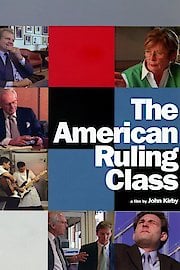
The American Ruling Class
 6.8/10
Where to Watch The American Ruling Class

The American Ruling Class is a one-of-a-kind film. Directed by acclaimed filmmaker John Kirby and featuring accomplished actors and real-life former Harper's Magazine editor Lewis Lapham, Caton Burwell, and Paul Cantagallo, this film purposefully blurs the boundaries between a documentary, a satire, a societal critique, and a dramatic narrative, shedding light on several hot-button issues.
At the heart of The American Ruling Class is the concept of 'class' in American society, a topic seldom comprehended, broached, or even acknowledged. This film dares to unravel this issue, zooming into the fabric of our community, and asking some uncomfortable questions about wealth, power, privilege, and influence. Lewis Lapham, in a first-of-its-kind cinematic journalistic venture, and his two fictional Yale graduates, Jack Bellamy (Caton Burwell), and Mike Vanzetti (Paul Cantagallo), insert themselves into this unpredictable journey.
The American Ruling Class starts its exploration by considering the myth of American egalitarianism. Renowned among the elites with his impeccable pen and unwavering critique, Lewis Lapham returns from his retirement to join the two fresh Yale graduates. Bellamy and Vanzetti, even as they represent the privileged demographic, represent a stark contrast. Burwell's character, Bellamy, aspires to join the upper crust; he dreams of riches and recognition. In comparison, Vanzetti, portrayed by Cantagallo, holds back, skeptical and questioning the morality, justice, and repercussions of such blind ambition.
Following the set-up, which threads the thin line between fiction and reality, what follows is a mosaic of conversations, arguments, revelations, and confrontations, held with America's top echelon. These exchanges include prominent intellectuals, politicians, corporate giants, Wall Street hotshots, prolific artists, and more, featuring cameos from Kurt Vonnegut, former Secretary of State James Baker, historian Howard Zinn, among many others. However, it doesn't solely focus on transactional conversations but also on-step encounters at unlikely avenues like the Bohemian Grove, the Council on Foreign Relations, even the halls of the Skull and Bones fraternity.
The American Ruling Class delves into the terrain of the establishment, allowing us to glimpse into access and opportunities most of us could only imagine of. It scrutinizes the network of the country's most privileged and influential, revealing how complexity, power, and privilege reinforce each other, shaping the world in their image. It demands its viewers to confront - is there an American ruling class? If so, who are they, and how do they operate? The narrative doesn't let its viewers sit back and leads them through sharp twists, intelligent humor, complex insights, and unfiltered glimpses of power dynamics.
Director Kirby successfully steers the movie to remain engaging and entertaining, despite it being a hearty intellectual meal. Complimenting that are the brilliant performances. Lewis Lapham, despite stepping onto unfamiliar ground, delivers a superlative performance. His command over language and nuance contributes to the narrative's vitality, enriching it with authenticity and gravitas. Caton Burwell and Paul Cantagallo, though fictional additions, provide the gateway for the viewers to step into this opaque world. Their performances ring as much true as the film's veteran thinkers, offering other sides of an oft-ignored conversation.
Being more than just a movie, The American Ruling Class is part journalism, part philosophy, part sociology, part performance art. It offers a gripping examination of America's socioeconomic dynamics, power structure, and the myth of meritocracy. However, it's not a mere finger-pointing exercise but a mirror to society, reflecting our complicity and ignorance.
In conclusion, The American Ruling Class asks the questions that we often fear to address, making it an important addition to the cinematic and social critique landscape. It offers a provocative, insightful, and cleverly humorous journey into understanding the complexities bound in the American class structure. Whether one agrees or disagrees with its standpoint, its relevance can't be denied, making it a must-watch for those seeking to understand the labyrinth of class, power, and privilege.
6.8/10