
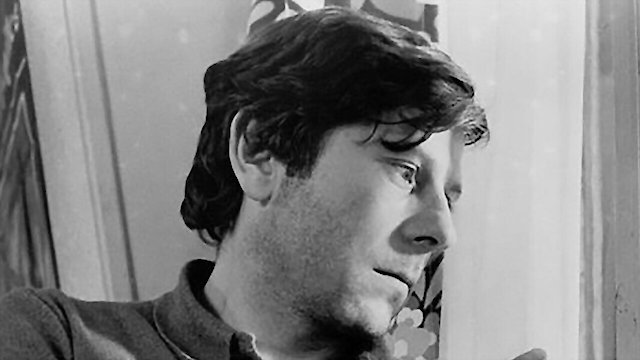
Roman Polanski: Wanted and Desired
Roman Polanski: Wanted and Desired
"The truth couldn't fit in the headlines."
 7.2/10
 78/100
Where to Watch Roman Polanski: Wanted and Desired

Roman Polanski: Wanted and Desired is a thought-provoking documentary film released in 2008 that meticulously delves into the complex and controversial legal case surrounding the renowned filmmaker Roman Polanski. Directed by Marina Zenovich, the documentary presents a comprehensive exploration of the events leading up to Polanski's dramatic flight from the United States in 1978, following charges of sexual assault involving a minor.
With a keen focus on the intersection of celebrity, justice, and media representation, Wanted and Desired delves into the intricacies of Polanski's legal situation, the fervent public opinion of him, and the sundry judicial missteps that contributed to his decision to become a fugitive from the American justice system. The documentary is not just an examination of the facts of the case, but a probing inquiry into the very nature of justice itself, directed with empathy and a quest for uncovering the truth in a sea of controversy.
Andrew Braunsberg, Polanski's longtime friend, and producer provides insightful commentary throughout the film, offering audiences an intimate look at the filmmaker both before and after the incident. Braunsberg's anecdotes and reflections paint a complex portrait of Polanski, contributing to the film's rich tapestry of perspectives. Richard Brenneman, a journalist who extensively covered the case, and Douglas Dalton, Polanski's defense attorney, also feature predominantly in the documentary, offering their unique vantage points on the unfolding of events.
Polanski's standing as a celebrated director, who had experienced profound personal tragedies, including the murder of his wife, Sharon Tate, at the hands of the Manson family, as well as his survival of the Holocaust, is contextualized within the broader narrative of his legal woes. The film grapples with the paradox of a talented artist who becomes embroiled in a scandal that overshadows his achievements, signaling the complex entanglement of personal history with public persona.
Marina Zenovich's directorial approach involves a rich blend of archival footage, contemporary interviews, and reenactments to meticulously reconstruct the social climate of the 1970s and the circumstances surrounding both the crime and the subsequent legal circus. Through the use of these narrative techniques, the documentary offers a nuanced exploration of the moral ambiguities and legal inconsistencies that marked Polanski's case.
One of the most compelling aspects of the film is its dissection of the legal proceedings themselves. The documentary provides a meticulous account of the judiciary's role, including the alleged misconduct by the presiding judge, Lawrence J. Rittenband. The film goes beyond the salacious headlines to uncover the deeper systemic issues that influenced the outcome of Polanski's case, suggesting that the quest for celebrity justice can distort the legal process.
Zenovich interviews key players involved in the trial, including Polanski's attorneys, the prosecuting lawyer, and several figures from the Los Angeles District Attorney's office. Their candid reminiscences contribute to a broader understanding of the nuances and contradictions that define justice in high-profile cases. The documentary also includes interviews with individuals such as Samantha Geimer, the victim in the case, and her mother, who share their perspectives and experiences, though always with the sensitivity the subject matter demands.
A throughline that Zenovich skillfully weaves into Roman Polanski: Wanted and Desired is the detrimental effect the relentless media scrutiny had on the proceedings. The film posits not only that the media circus was an ever-looming presence but that it also had a tangible impact on the action and decisions of the individuals within the courtroom. This depiction of the media's influence on judicial processes remains a relevant discourse today.
Beyond depicting Polanski's legal saga, the documentary critically examines the role that public perception plays in the treatment of celebrities within the judicial system, provoking the audience to question how fame and talent can distort the scales of justice. It's a work that resonates with current societal reflections on power dynamics, the media, and the intersection of crime and celebrity status.
Ultimately, Roman Polanski: Wanted and Desired is not merely a narrative of guilt or innocence but a mirror revealing the multifaceted complications when law, society, and morality conflict. The film brings a critical lens to the archaeological layers of a legal case that continues to haunt the American and international legal landscapes, urging viewers to consider the omnipresent divide between the court of law and the court of public opinion.
7.2/1078/100