
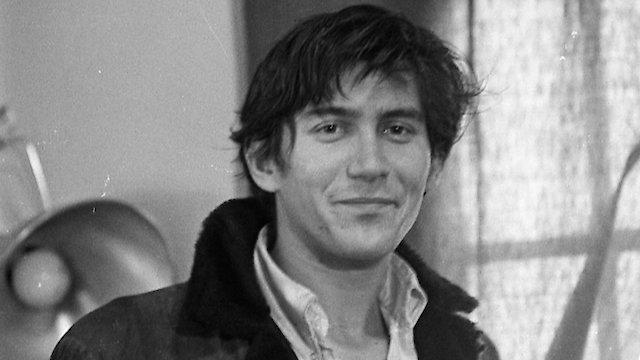
Phil Ochs: There but for Fortune
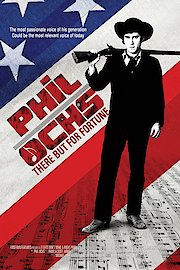
Phil Ochs: There but for Fortune
 7.8/10
 72/100
Where to Watch Phil Ochs: There but for Fortune

Phil Ochs: There But for Fortune is a compelling and deeply personal 2010 biographical documentary directed by Kenneth Bowser, an expert in retrospectives film. The film details the life and times of the late folk singer-songwriter Phil Ochs. The influential recording artist is portrayed through historical vignettes and audio-visual materials, supported by a cast that includes Salvador Allende, Erik Andersen, and Joan Baez, among others. Each person adds their own individual testimonies into the mosaic of Ochs' character and professional career.
The film is not merely a chronicle of Phil Ochs but also a journey through a transformative period in American history. It effectively integrates Ochs' personal and public life with the radical changes happening within society and the American music industry during his lifetime.
The legendary Chilean President Salvador Allende appears in the film. Although Allende's role is not exactly a conventionally acted one, his inclusion adds an even more political weight to this endeavor. His appearance embeds a global charisma to Ochs' narrative, demonstrating the international reach and impact of his music that crossed borders and oceans. Allende's democratically-elected government, which was later overthrown in a coup, seems familiar to Ochs' peace and social justice-themed songs that aimed against the status quo.
Erik Andersen also appears in the film. Andersen, a contemporary of Ochs and a celebrated folk singer-songwriter himself, provides personal insight into Ochs' life and the robust folk music scene they were part of. His reminiscences contribute to the overall narrative, offering viewers a firsthand understanding of Ochs' character, his artistic temperament, and his extraordinary musical talent.
Renowned folk singer Joan Baez, a pivotal figure in the American folk music revival, plays an integral role in the documentary. Known for her social activism, Baez was a close ally of Ochs in their joint campaigning for civil rights and against the Vietnam War. Baez shares anecdotes and insights on Ochs' life, helping to paint a vivid picture of the man behind the music.
The film explores Ochs' life from his early years, his rise to fame in the 1960s, the height of his career in the folk music scene, his relentless activism, to his tragic struggle with mental illness. It adds depth to his narrative by skilfully interspersing archival footage with interviews. It presents Ochs not only as an influential musician, but also as a passionate activist who utilized his creativity to inspire change.
While the documentary focuses on Ochs' life and career, it extends beyond that to encapsulate the zeitgeist of an era, the tumultuous sixties. In the backdrop, it deftly captures the larger social and political struggle that Ochs and others were engaged in – civil rights, anti-Vietnam war protests, workers' movements – rendering the film a time capsule awakened.
The diverse clips, from old news footage to personal home videos, are seamlessly stringed together to form a narrative both intimate and grand. The interspersed interviews include not only commentary from fellow musicians and contemporaries but also from family and friends who knew Ochs personally.
Phil Ochs was a complex, sometimes contradictory figure—a passionate social activist with a biting sense of humor, an artist plagued by personal demons, yet a voice, unflinching in its delivery of social and political critique. Phil Ochs: There But for Fortune illuminates the complexity of this influential figure while shedding light on a tumultuous period in American history. It underscores the relevance of Ochs’ musical legacy, and the power of art to reflect and impact societal change.
In conclusion, Phil Ochs: There But for Fortune is a must-see for history enthusiasts, folk music fans, social activists, and primarily, for anyone who appreciates a well-researched and deeply inspiring biographical documentary. The film encapsulates the spirit and human face of the political and social struggles of an era, embodied through the life of a man who was not just a musician but a torchbearer and mirror to his times. Though Ochs' life was cut short, his songs and his mission live on, standing testament to his undeniable influence, an influence this film resonantly evokes.
7.8/1072/100