

My Knees Were Jumping: Remembering the Kindertransports
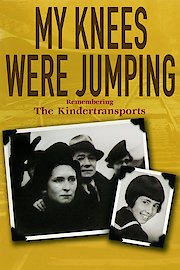
My Knees Were Jumping: Remembering the Kindertransports
 7.6/10
Where to Watch My Knees Were Jumping: Remembering the Kindertransports

My Knees Were Jumping: Remembering the Kindertransport is a poignant documentary that focuses on the experiences of Jewish children who were part of the Kindertransport, a rescue mission that brought thousands of children to Britain before the onset of World War II. Directed by the talented filmmakers who harness the power of personal storytelling, the film provides an intimate and emotional exploration of the lives of these children, their families, and the broader historical context surrounding their journeys.
The documentary features contributions from several individuals who were directly involved in the Kindertransport. Among them are Eddie Better and Sonnie Better, who share their harrowing yet hopeful stories of leaving their homes in Nazi Europe. Eddie and Sonnie’s narratives serve as vital threads in the fabric of the film, weaving together a tapestry of fear, loss, and resilience that characterized the experiences of many young Jewish refugees.
The film effectively utilizes a combination of historical footage, photographs, and personal testimonies to bring to life the memories of these children. It delves deeply into the emotional struggles faced by both the children and their families as they were forced to make heartbreaking decisions. Many parents were compelled to send their children away in hopes of saving their lives, knowing that the chances of reunion were slim. This sense of separation and the burden of such a choice resonate powerfully throughout the narrative, leaving a lasting impact on viewers.
Erika Estis, another poignant voice in the film, adds depth to the exploration of identity and belonging. Her reflections illuminate the psychological scars endured by Kindertransport children, grappling with feelings of displacement in their new homes. As they navigated life in a foreign country, the children sought to balance their Jewish heritage with the adaptation required in a new culture. The documentary highlights this internal struggle, demonstrating how these young refugees fought not only against the external forces of persecution but also against the challenges of integration and assimilation.
In its examination of the Kindertransport, the film contextualizes this historical event within the larger narrative of the Holocaust and World War II. It educates viewers on how the Kindertransport was initiated by British Jews and other humanitarian organizations, illustrating the complex web of individuals and groups who risked their lives to save the lives of children. This perspective enhances the documentary’s emotional weight, emphasizing the importance of compassion and kindness in the face of abject despair.
The film also does not shy away from the darker aspects of the Kindertransport and the greater wartime experience. It addresses the brutality of the anti-Semitic policies that led to the urgency of such rescues, painting a stark picture of the conditions that necessitated the Kindertransport in the first place. In doing so, it serves as a reminder of the atrocities of the Holocaust, honoring the memory of those who suffered and highlighting the importance of remembrance.
The documentary is not just a recounting of historical events; it also serves as an essential reflection on the themes of memory, trauma, and the legacy of displacement. Throughout the film, the interviews are interspersed with evocative music and artful cinematography, creating a rich sensory experience that draws viewers into the emotional landscape of the subjects’ memories. These artistic choices enhance the storytelling, making the historical content more accessible and resonant for contemporary audiences.
My Knees Were Jumping: Remembering the Kindertransport also prompts important questions about the nature of refuge and the responsibilities of nations during crises. It inspires discussions about the moral imperatives of humanitarian action and the lessons that can be learned from history regarding the treatment of vulnerable populations. The film encourages viewers to reflect on current global refugee crises and to consider what can be done to support those fleeing persecution today.
Overall, My Knees Were Jumping: Remembering the Kindertransport is a powerful, moving documentary that memorializes the Kindertransport and the children who were fortunate enough to escape, while also acknowledging the countless others who did not. Through personal stories, historical context, and emotional depth, the film stands as a tribute to resilience and the enduring human spirit. It is a vital piece of filmmaking that not only educates but also becomes a touchstone for remembrance, compassion, and understanding in a world that still grapples with the consequences of intolerance and hatred. This documentary is a necessary watch for anyone interested in history, human rights, and the profound impact of personal narratives on our collective understanding of the past.
7.6/10