

Milking the Rhino
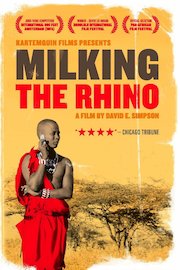
Milking the Rhino
 7.9/10
Where to Watch Milking the Rhino

Milking the Rhino is an intriguing and thought-provoking documentary released in 2009. This remarkable film was directed by David E. Simpson, an award-winning filmmaker with a fascination for unique and challenging real-life stories. Milking the Rhino dives deeply into the complexities and the often delicate balance of community-based conservation in Africa. Beautifully captured on film, this documentary brings into sharp focus the delicate dance between preservation and survival.
The documentary title "Milking the Rhino" is a metaphorical term that reflects the concept of wildlife as a sustainable natural resource: one that can offer communities and individuals long-term benefits if appropriately managed. Set against the breathtaking vistas of the African landscape, the film captures the picturesque beauty of Kenya and Namibia, yet also reveals the tensions that come with changing environmental practices.
At the heart of Milking the Rhino are the riveting stories of two tribal groups living at the crossroads of tradition and adaptation. In Namibia's Himba tribe and Kenya's Maasai community, the age-old pastoralist lifestyle that once co-existed gracefully with nature is being upturned due to factors such as climate change, a growing human footprint on wild habitats, and tourism.
The Himba and Maasai directly feature in Milking the Rhino as we watch the tribes grapple with the economic pressures driving them to tap into the burgeoning wildlife-based tourism market. At stake are centuries of cultural heritage tied to their pastoralist lifestyle, versus the opportunity to leverage their wildlife-rich land to rivals the international tourism market. Wildlife conservation is not just an environmental issue. Rather, it is intricately linked to the socio-economic realities of the communities living next to these reserves and wildlife-rich terrains.
Simpson delves into the concept of community-based conservation, which seeks to allow indigenous people a stake in preserving their environment. This model stands in contrast to the traditional preservations models, where locals were viewed primarily as threats to conservation rather than partners.
Sensitively portrayed and compelling in its storytelling, Milking the Rhino offers nuanced perspectives on conservation, contrasting the romanticized "Out of Africa" vision of wilderness — untouched and unfettered by human presence — with the pragmatic understanding that communities living amidst wildlife must be actively involved in conservation to ensure its success.
A significant element of the character-driven narrative is the evolving attitudes towards wildlife. Rather than seeing wildlife as a threat to pastoralist culture, wildlife is slowly being perceived as an economic opportunity. Local communities are gradually adopting ecotourism models, acknowledging the benefits of maintaining wildlife populations and their habitats. However, the transition is not without its challenges and conflicts, most prominently when the interests of the wildlife tourism do not harmoniously align with the needs of local communities.
The film is interspersed with hard-hitting, evocative interviews of locals, wildlife guides and conservation experts, all presenting their points of view and concerns. The viewer gets an unfiltered look into the realities of living alongside wildlife, with sporadic home footage providing an intimate portrait of life in these regions.
Impeccably shot, the documentary makes use of stunning cinematography to further the narrative and underscore the importance of the natural environment to human existence. The rustic, scenic shots of the pastoral landscapes are contrasted with scenes showcasing the encroachments of modernity, thereby highlighting the change communities are navigating to reconcile their traditional norms with economic imperatives.
Milking the Rhino leaves viewers with deep questions about the feasibility of harmonious coexistence between wildlife and humans. Moreover, it forces us to rethink established notions of conservation and struggle to strike a balance between socio-economic development, cultural preservation, and biodiversity conservation.
Forceful, passionate and enlightening, Milking the Rhino is a journey into the less explored angles of wildlife conservation that goes beyond sentimental appeals to preserving nature's beauty. It unflinchingly focuses on unveiling the complications and dilemmas associated with real-world conservation, providing a better understanding of the intricate web of life that connects us all. This documentary seeks not only to inform but also to spark conversations about our shared responsibilities in preserving the integrity of wildlife and the world we live in.
7.9/10