
Manufactured Landscapes
Manufactured Landscapes
"Beauty transformed."
 7.2/10
 79/100
Where to Watch Manufactured Landscapes

Manufactured Landscapes is an eye-opening, riveting 2006 documentary that paints an impressive and thought-provoking examination of the worldwide environmental impacts of industrialization. Directed by Jennifer Baichwal, the film was inspired by an internationally-acclaimed Canadian photographer, Edward Burtynsky, as the subject, whose large-scale photographs depict extensive regions reshaped by human industry and development. This unique cinematographic marriage fuses photography's still image concept with moving, narrative filmmaking to underscore the magnitude of this necessary but sometimes destructive human endeavor.
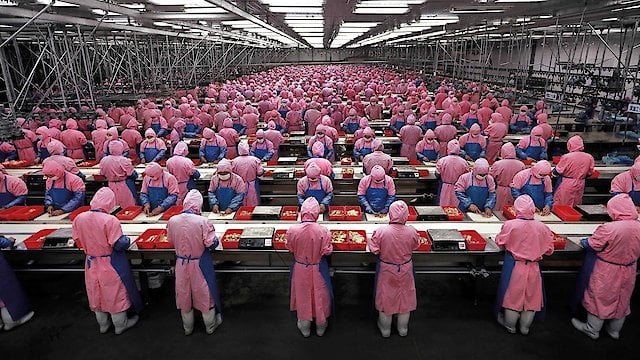
The film starts by taking the viewer on an unprecedented visual journey through China's industrial landscape, revealing a massive, expansive factory that seemingly goes on forever. This nine-minute sequence sets the tone for the rest of the film, as it introduces viewers to the colossal scale of industries, allowing them to contemplate their environmental impact. Through Burtynsky's lens, viewers are then taken on a whirlwind tour of landscapes altered beyond recognition by human activity in the quest for 'progress' - be it gargantuan factories, vast quarries, colossal shipbreaking yards or seemingly infinite rows of recycling heaps.
Burtynsky's composed and thoughtfully framed pictures, on their own, indeed work to intrigue, horrify, and bewilder. However, Baichwal's efforts to supplement these images with strong cinematography and contemplative narrative allows these resonating images to come to life. The journey is one of stark contrasts; chaotic, unorganized scrapyards versus hyper-organized factory floors, bustling cityscapes alongside deserted ghost-cities, all of them attracting equal attention and evoking equal concern.
The attention to detail in the film is notable as it focuses not only on overarching landscapes but also on individuals operating within these landscapes. The labor-intensive reality of workers in these environments is explored, revealing the harsh day-to-day realities of those who work painstakingly long hours for meager wages. The film is as much about the human impact on the planet as it is about the individuals that this impact is felt by.
As Burtynsky remarks in the film, his work is not meant to be purely damning criticism nor hopeless despair, but rather a call to awareness of the massive scale and impact of our everyday consumption. The film does not lean overtly on sermonizing or persuading perspectives, but rather lets these dystopian-like landscapes speak for themselves, leaving the viewers to ask their own questions about humanity's footprint on Earth.
Included in our journey through these alien landscapes are interviews with Burtynsky himself, as well as various factory owners and workers, each adding an extra layer of depth and context to the scenes depicted. The movie dives into the heart of the paradoxical dichotomy that consumerism brings about; while industrialization is the engine driving development and socioeconomic progress, its environmental costs are unparalleled, and its sustainability undeniably questionable.
The documentary’s soundtrack, composed by Dan Driscoll and featuring a mesmerizing soundscape from the Toronto-based group, Metrophonic Resistance, complements the visuals artfully. Its meditative and brooding tone perfectly mirrors the often-ominous visuals being presented, further emphasizing the film's solemn message.
Manufactured Landscapes doesn't hold back or shy away from the profound, sometimes disconcerting realities of industrialization's impacts. Yet, despite its dire outlook, it still manages to instill in the viewer a newfound appreciation and awe for the sheer scale of human endeavor and its lasting imprints on our planet.
In essence, Manufactured Landscapes is a mesmerizing, profoundly moving excursion into Burtynsky's world of industrial landscapes. It is a poignant expedition that calls viewers to pause and think about the accumulated impacts of our collective activities. The film's imageries push us to question not only how we treat our planet but also examine our role within these landscapes we have manufactured. The film serves as a stark mirror, articulating the disturbing and thought-provoking ways in which human intervention modifies the natural world around us.
Powerfully imaged and elegantly presented, Manufactured Landscapes underscores the disquieting environmental realities and poignant human stories that lie behind our modern, industrialized world, offering us a much-needed chance to reassess, reconsider, and reflect on our impact as individuals and as a collective in the Anthropocene era.
7.2/1079/100