
Hurricane on the Bayou
Hurricane on the Bayou
 6.2/10
Where to Watch Hurricane on the Bayou

Hurricane on the Bayou is a compelling 2006 drama and documentary that unites personal storytelling, environmental issues, and the fascinating vibes of New Orleans' blues music. Directed by Greg MacGillivray, the film showcases the sheer beauty of Louisiana's vanishing coastal wetlands while reflecting on their importance and detailing the impending danger from neglect and climate change.
While it features an ensemble cast with established artists like Amanda Shaw, Marva Wright, and Chubby Carrier, the movie crafts an exceptional narrative around three main subjects: local musician Tab Benoit, and young rising stars Bear Badeaux and Peggy Burgard.
The feature provides a gripping narrative focused on the lives of these individuals - Bayou natives, their love for the wetlands, and their battle to save the receding waters and marshes of Louisiana. It's an intimate look at a problem often viewed from a panoramic, impersonal perspective.
With feel-good, heart-wrenching, and life-affirming moments, Hurricane on the Bayou introduces viewers to the passion of Tab Benoit, a Cajun blues guitarist, who toils to save his homeland from the relentless onslaught of industrialization. The documentary also infuses youthful energy and optimism via local youngsters Bear Badeaux and Peggy Burgard, who are both aspiring musicians eagerly learning from the masters of Louisiana's rich musical traditions.
As the film progresses, audiences witness the traditions, cultures, and lifestyles that flourish in these ecologically significant areas, allowing them to understand what's at stake environmentally and culturally.
The narrative bends towards the musical side of the region too. Music plays a central role in this film, acting as a driving force, a celebration of culture, and a form of protest. Through music, the filmmakers manage to capture not just the ears but the hearts of the audience, seeping the urgency and importance of their message into the viewers' consciousness.
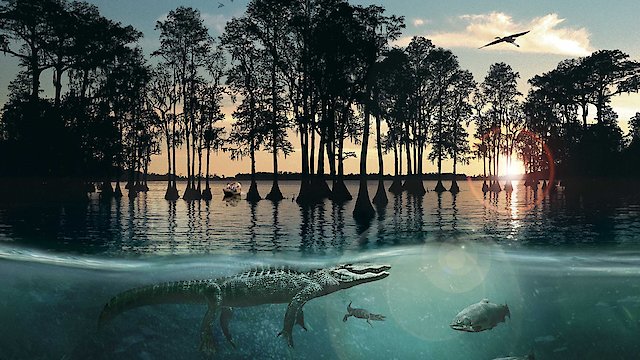
The film's scenic beauty is not lost on the viewers, with the IMAX experience instilling awe and respect for the sprawling wetlands. From the picturesque sunsets to the vast marshes to the diverse wildlife, it offers a breathtaking view that only underscores the imminent peril these landscapes face.
One of the most stunning aspects of Hurricane on the Bayou is the profound sense of foreshadowing and eerie calm before the devastating Hurricane Katrina. While the film was initially planned to raise awareness about the disappearing wetlands, it inadvertently became a poignant testament to life before and after Katrina. The transformation from a peaceful, lively community to a realm of devastation gives the movie a rawness that's hard to ignore. That being said, the film does not dwell in despair; instead, it highlights the resilience of the people and echoes their relentless hope.
Hurricane on the Bayou also showcases interviews with experts, providing concrete scientific data and proving that the dangers are not just hypothetical. These interviews give audience succinct and accurate information about the serious implications of the disappearing wetlands. Yet, the technical information is presented in a layperson-friendly manner, remarkably blended into the musical and emotional fabric of the film.
As the narrative weaves through music, storytelling, and a profound environmental message, the film broadens from a regional issue to a global concern. It highlights how regional actions can have worldwide consequences, urging audiences to realize the power and responsibility that comes with humans' dominance over nature.
In conclusion, Hurricane on the Bayou is a heartfelt, passionate plea packaged in a compelling mix of music, emotion, and stunning IMAX visuals. It isn’t just an entertainment experience but a push for awareness and action. The film captures the heart and soul of the Bayou and its people, revealing a deeply intertwined relationship that presents both the struggle and the hopeful resilience against the rising tides. Whether you're a blues fan, a documentarian, an environmentalist, or just curious about the coastal wetlands, the movie is a fascinating, sobering, and stirring watch, leaving you moved by the fragile beauty and the persistent human spirit of the Louisiana Bayou.
6.2/10