

Half-Life In Fukushima
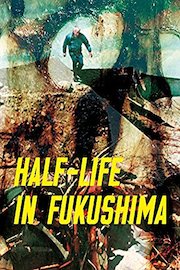
Half-Life In Fukushima
 7.8/10
Where to Watch Half-Life In Fukushima

Half-Life in Fukushima, a compelling documentary released in 2016, traces the rather unusual but deeply moving story of Naoto Matsumura, a man whose resiliency personifies a certain indomitable spirit woven into the fabric of Japanese culture.
The narrative of Half-Life in Fukushima is situated in the aftermath of the devastating earthquake and subsequent tsunami that pummeled north-east Japan in 2011. This catastrophic event induced a nuclear crisis at the Fukushima Daiichi Nuclear Power Plant, leading to large-scale evacuations in what was declared a nuclear exclusion zone. But one man, Naoto Matsumura, resolved to remain behind.
This brave man chose to stay in his hometown of Tomioka, facing the ghosts of the Fukushima nuclear disaster. Matsumura's story, put forth in a potent manner in the film, expounds his reasons for defying evacuation orders, and the existential philosophy behind his decision provides the core of the documentary's narrative. His story unfolds within the eerie surroundings of an abandoned town, amidst resounding silence punctuated sporadically by reminders of once lived lives, deserted in utmost haste.
In this 96-minute Swiss/French/Japanese co-production, listeners join Matsumura in his solitary existence. Prepared by Directors Mark Olexa and Francesca Scalisi, the documentary has been filmed with an intimate, immersive style that effectively draws viewers into Matsumura's haunting world.
Matsumura is not entirely alone, however. The enduring presence of animals within the town provides him company. As a self-appointed guardian of these animals left behind in the chaos that ensued after the disaster, Matsumura tends to an assortment of creatures: cows, dogs, and even radioactive wild boars. His love for these animals that rely on him for survival is warmly encapsulated within the film's narrative. The man's singular dedication, depicted against the backdrop of a near-apocalyptic environment overlooked by the ominous nuclear plant, makes for a grim yet poignant sight.
The title 'Half-Life in Fukushima' carries a profound symbolism. The term 'half-life' pertains to the duration required for a quantity to reduce to half its initial value in the context of radioactive decay. This reference not merely alludes to the persistent nuclear contamination but also uncannily mirrors the life led by Matsumura in the wake of the disaster - a life of solitude, standing bravely in the face of hazard, perpetuated by a strong-willed defiance to abandon home.
This film excels in portraying both physical and emotional landscapes. It plunges the audience into the creepy silence of a ghost town, amongst the still homes and empty streets, underlining the loss experienced by the once bustling community. However, equally remarkable are the sequences depicting the ever-changing emotional landscape of Matsumura. The film captures his moments of unruffled quiet, the solitary meals, the heartfelt interactions with the animals, and the commitment to tend to the graves of his forefathers. Through these scenes, a detailed portrait is painted, reflecting a man determined to hold on despite overwhelming odds.
The film also explores important societal and ethical questions surrounding nuclear energy, irresponsible governance, and our relationship with the environment. With its own pace, it uncovers subtle layers of these issues without being overtly didactic, thus encouraging viewers to delve deeper.
The cinematography in Half-Life in Fukushima is an impressive standout element, transforming the desolate, haunting environment into a living, breathing character in its own right. It brings out the haunting beauty of the post-apocalyptic landscape without romanticizing it, telling a parallel story of decay, resilience, and the menacing presence of a past disaster.
Half-Life in Fukushima is an exploration of solitude, resilience, and the human spirit. It echoes as a potent reminder of disastrous consequences when man's ambition overpowers respect for nature. Matsumura's story is both a chronicle of personal resilience and a stark warning to humanity. It's a quiet, contemplative film, where the silence speaks volumes about abandonment, endurance, and defiance. In the face of dread and despair, Matsumura embodies an innate human desire for survival and connection, making his story one to remember.
7.8/10