
Flag Wars
Flag Wars
"On the Front Lines of Gentrification, There's No Place Like Home."
 7.1/10
Where to Watch Flag Wars

Flag Wars, a thought-provoking 2003 documentary directed by Linda Goode Bryant and Laura Poitras, captures the socio-economic tensions and conflicts arising from gentrification in the Olde Towne East neighbourhood of Columbus, Ohio. Focused on the poignant stories of Nina Masseria, Floyd Goode, and Josephine Goode, this Peabody award-winning film provides a balanced view of these urban neighborhood transformations that shake up communities around the U.S. and beyond.
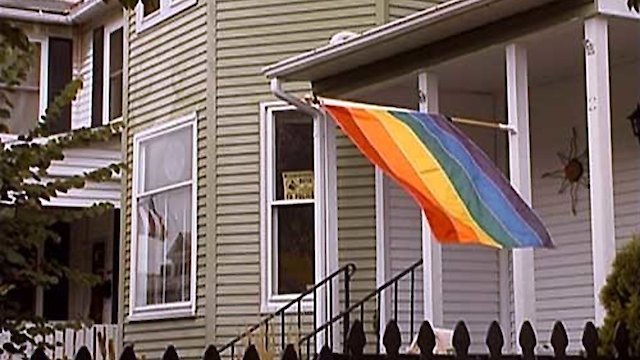
Flag Wars opens its narrative to a growing feud between two demographic groups: the long-time, predominantly black, working-class residents, and the new arriving white, well-off, gay community. Following a progression over four years, the film illustrates how feelings of entitlement, cultural dissonance, and economic disparity drive friction and confrontation between these two groups.
Nina Masseria, a professional real estate agent, epitomizes the gentrifying forces at play in this predominantly black neighborhood. She comes across as focused and determined, with her vested interest in 'flipping' dilapidated properties for lucrative returns. She embodies the spirit of gentrification, eager to rejuvenate the city's decaying parts with grandeur of the old architectural style, but often failing to grasp or understand how the process is displacing long-standing residents.
The film also spends considerable time tracking the story of Floyd Goode and his mother Josephine, who represent the area's long-term black residents. Floyd, a Vietnam War veteran, is trying desperately to save Josephine's house from being seized due to code violations, even though his economic situation makes these improvements nearly impossible. Their struggle is the poignant symbol of the plight of black communities, who often lack the resources to meet uptight renovation regulations, thus actuating forced displacement caused by gentrification.
Flag Wars transcends conventional documentary tropes in skillfully portraying the complexities of economic struggle, racial tension, and impending displacement due to gentrification. Directors Bryant and Poitras, steer away from articulating a clear stance in understanding gentrification, empowering viewers to form their interpretations around this multifaceted issue.
The directors' thoughtful storytelling lets individual personal histories unfold, providing a window into personal battles, dreams, prejudices, and the resilience inside America's urban sprawl. Flag Wars does not shy away from showing the racial tension underlying these transformations, as newcomers exhibit a lack of understanding towards the history of the neighborhood and disregard for established black communities' connection to their homes.
What separates Flag Wars from other documentaries covering similar topics is its straightforward no-frills approach to presenting events as they happen. The recording spans several years, provides a longitudinal perspective involved in gentrification, and captures the real-life, long-term implications of this process. Notably, the directors do not use any voice-over commentary, letting the events and the characters speak for themselves and offering a more raw, impactful insight into the situation.
Combining elements of observational and participatory filmmaking, Flag Wars communicates the anxiety of imminent displacement, communicates the brute force of economic development, and lays bare the racial and economic divisions. The central characters, Masseria, Goode, and Goode, encapsulate the driving forces, the dreams, and the struggles involved in this process with a compelling emotional resonance.
Flag Wars recognizes that gentrification is a complicated and convoluted issue. It sidesteps a singular narrative and adopts a multiperspective view capturing the stories of both those migrating to such regions and those already living there, facing the brunt of change. This documentary is not just about a neighborhood's gentrification; it's a perceptive, candid exploration of the American dream and how it drastically varies for different people. An essential viewing that sparks soul-searching questions about community, identity, and the very nature of progress.
7.1/10