

Fidel
Fidel
 7.5/10
 44/100
Where to Watch Fidel

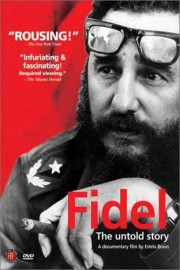
Fidel is a compelling 2001 documentary that prophetically scans the historical trajectory and the profound influence of its subject, Fidel Castro, the revolutionary icon and former Cuban leader. This film is directed by Estela Bravo, an American-born director, widely recognized for her feature-length documentaries focusing predominantly on Latin American themes and figures.
The movie enters into the heart of Cuba, pulling back the blanket of myths and misunderstandings to deliver an incisive biography of Fidel Castro, one of the most enigmatic and controversial figures of the 20th century. The narrative unfolds in an efficient and informative manner, combining archival footage with personal accounts from a collection of diverse perspectives.
Fidel prefaces his role as Cuba’s inflexible figurehead and explores his life journey from a young, impassioned law student to becoming the ruler of Cuba, offering an original portrayal of a man who managed to significantly influence global politics for more than 40 years. The film presents a granulated depiction of Castro as both a revered revolutionary leader and a figure of international criticism.
The film goes beyond the political realm, granting viewers an intimate look into his lesser-known personal life. It peels back layers of his persona, revealing his prowess as an eloquent orator and exploring his qualities as a charismatic leader adulated by his people, while simultaneously unmasking the inherent contradictions.
What stands out about Fidel is the opportunity it offers for its audience to comprehend Castro’s character through the lens of others. The narrative is enriched with interviews from an array of people who knew him including family, childhood friends, fellow revolutionaries, and American politicians providing a nuanced depiction.
One of the most striking features of Bravo’s documentary is that she eschews a voiceover, allowing Castro’s narrative to unfold through the words of its interview subjects. Therefore, it presents the image of an intricate, complex man, from a leader who defied ten U.S. administrations, to a champion of education and healthcare in Cuba, and from a vocal critic of imperialism to a resilient ally for marginalized people in Latin America and Africa.
This film also features captivating interviews with well-known personalities, such as Muhammad Ali and Harry Belafonte. Ali and Castro share a unique connection, with both having made significant contributions to their respective fields, and both outspoken critics of racial discrimination. Harry Belafonte, a renowned American singer, songwriter, and civil rights activist, observes Castro from an artist's perspective, sharing personal anecdotes and reflections from their shared history.
Through its comprehensive exploration of the economic, social, and political impacts of the Cuban revolution, Fidel offers viewers a detailed overview of the nation's modern history. The film keenly juxtaposes Cuba's turbulent past with Castro’s reign, marking the societal transformations and the country’s many challenges and achievements.
The film presents a balanced view with anecdotes of his failings as a ruler too. It does not shy away from delving into the dark corners of his reign, such as widespread poverty, human rights abuses, and limitations on freedom of speech, bringing to the fore the harsh realities of Cuba under Castro’s long-winded rule.
Crafted with a good eye for detail, this film takes you on a deep dive into the socio-political aspects of Fidel Castro's life, his strengths and weaknesses, his victories and postulations, his charisma, and his contradictions. It presents a man whose ideology and actions have both inspired and divided people worldwide.
"Is he a tyrannical dictator or a champion of social justice?" The documentary does not answer this for the audience. Instead, it invites viewers to think critically and take their stand, providing them with extensive information.
The film "Fidel" serves as more than just a documentary about a political figure. It effectively presents a cultural and social chronicle of Cuba - its past, present, and the numerous battles it fought under the leadership of Fidel Castro. An arresting archive of images, testimonies, discussions, and narratives, it is an essential piece of viewing for historians, political enthusiasts, students, or anyone curious about getting to know more about one of the most formidable leaders of the past century.
7.5/1044/100