

Desert Bayou
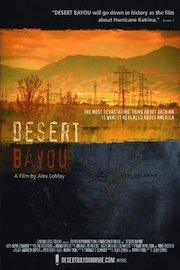
Desert Bayou
 6.4/10
Where to Watch Desert Bayou

Desert Bayou is a provocative, challenging, and deeply empathetic 2007 documentary film directed by Alex LeMay. This gripping documentary pieces together an intertwined narrative of socio-political events, racial tensions, historical biases, and the resilience of the human spirit, through the harrowing personal experiences of 600 Katrina survivors from New Orleans who were airlifted to a military installation in Utah.
The film primarily showcases the disturbing aftermath of Hurricane Katrina, a calamity that ripped apart New Orleans in 2005. It captures the experiences of the hurricane’s survivors who were trapped in a confusing limbo between a grief-stricken past and an uncertain future. The director employs these narratives to expose the troublesome socio-economic fissures that exist within the United States. It uses the Katrina catastrophe as a stark lens to study issues of racial profiling, media bigotry, strained interracial relations, and the failure of disaster management systems.
Visually, the film is dark, yet profoundly moving. The cinematography beautifully captures the bleak atmosphere prevalent at the camp and the struggle to keep hope alive. The camera work is intimate yet respectful, offering the audience a visceral connection with the survivors without invading their personal space.
Desert Bayou opens with the ominous arrival of the hurricane’s survivors at a U.S. military base in Utah. Adopting their perspective, the film analyses the intricacies of this unlikely cultural intermingling between the predominantly African-American evacuees and the majority white Utahn population. Though there are instances of compassion and empathy emerging from some quarters, a narrative of mistrust, fear, and racial division gets more prominently etched into the backdrop.
The film’s raw emotional strength rests primarily on the first-hand accounts from the survivors. Their stories, filled with heartbreaks, confusion, frustration, yet indefatigable hope, breathe life into the narrative. The director weaves together these individual accounts to depict a broader, indeed darker, commentary on race, culture, and class gaps in America. Alongside, the film also explores the local Utah people's reactions and their grappling experiences with their new neighbors.
Interestingly, Desert Bayou doesn't shy away from the controversial moments. Extensive interviews are carried out with local authorities, evacuation organizers, military personnel, and media representatives. Points of conflict, the accusatory media coverage, the incidence of racial profiling serve as critical investigation lines within the narrative. The survivors' issue raised on national media being labeled as 'refugees' rather than citizens is one such poignant moment that underscores the undertones of racism and segregation even in disaster coverage.
LeMay also probes into how the mainstream media extensively portrayed the survivors as potential criminals or threats, spinning a fear-stoked narrative around them. This engrossing media piece reflects the inherent racial stereotyping and the deep-seated fears it surfaces.
The documentary also explores how both sets of people gradually learned to overcome biases and work together in the face of adversity. This mutual learning and understanding theme offer a lifeline of optimism amid the otherwise stark narrative. Though unsolved issues still loom large, one can witness the beginnings of transformation and acceptance.
Amidst the chaos and emotional turmoil, the film does not forget to remind the viewers of the beautiful tapestry of culture that has always been a part of New Orleans. It portrays the survivors celebrating their rich cultural history and traditions, out of place in the alien surroundings yet never diminished in spirit. This strong cultural undercurrent is indeed an element of resistance as survivors reclaim their identity, culture, and dignity amid immense odds.
In conclusion, Desert Bayou is much more than just a documentary. It is a thought-provoking, eye-opening journey that exposes the viewer to the complexities of racial discrimination, socio-cultural norms, and historical injustices that persist underneath America's modern reality. Through raw footage, poignant testimonials, and extensive interviews, the film paints an unsettling but true picture of America's dealing with one of the deadliest natural catastrophes in its history. It stimulates you to think, reflect, and empathize with the struggles and triumphs of these survivors while providing a different lens to perceive the social fabric of America.
6.4/10