
Crude
Crude
 7.5/10
 75/100
Where to Watch Crude

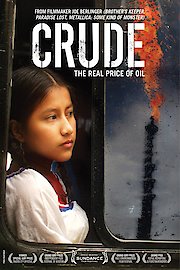
Crude is an electrifying and thought-provoking documentary film released in 2009, directed by award-winning filmmaker Joe Berlinger. This gripping movie features the relentless fight for justice of the indigenous Ecuadorian communities against the corporate behemoth, Chevron. Noteworthy characters in the movie include Dan Ashley, Pablo Fajardo, and Kent Robertson, each playing pivotal roles in the narrative.
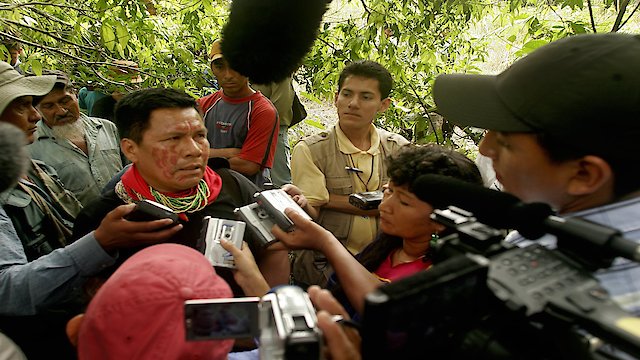
The movie plunges audiences into the heart of Ecuador's Amazon rainforest, documenting a landmark environmental lawsuit that involves Chevron, one of the world's biggest multinational corporations. The movie chronicles this legal drama from the perspective of the plaintiffs and the defendants, offering an in-depth look at environmental law and corporate responsibility.
Pablo Fajardo is a charismatic Ecuadorian lawyer who emerges as a beacon of hope for thousands of indigenous people. Despite his humble beginnings, Fajardo tirelessly fights for the underprivileged communities' rights and their quest for justice against Chevron's alleged contamination of the Amazon rainforest. He is depicted as the David taking on Goliath, representing the affected communities in their lawsuit against Chevron.
Kent Robertson, a spokesperson for Chevron, is an eloquent advocate who insists on Chevron's innocence, arguing that the company is not responsible for the egregious pollution and the subsequent health and environmental havoc wreaked on the fragile Amazon ecosystem. Throughout the film, Robertson negotiates the high-stakes world of corporate PR with determination and slick strategy.
Dan Ashley, an award-winning journalist, offers a neutral perspective, navigating the labyrinth of legal and environmental issues tied to the case, and delivering a balanced narration that neither condemns nor exonerates Chevron. Ashley's journalistic prowess helps unravel and explain the complexities of this international case to the audience.
The documentary also delves into the intricacies of international environmental law. It underscores the difficulties of holding a multinational corporation accountable for its actions in a foreign land, especially when there seems to be a difference in environmental standards. The movie outlines how these legal battles can stretch on for years, highlighting the legal teams' due diligence on both sides and the toll such long-drawn battles take on the people involved.
Crude is also an exploration of the real-life impact of oil extraction and contamination on local communities, complete with the emotional weight of the situation. It portrays salient details of the inhabitants' struggle against diseases allegedly linked to the pollution, their effort to clean their water supply, and their overarching fight for survival.
The film depicts the beautiful landscapes of the Amazon rainforest and the peaceful lives of its indigenous communities, contrasting these serene scenes with the evident devastation caused by oil extraction. Despite the hardship and tragedy surrounding the contamination, the movie also reveals the resilience and unity of Ecuador's communities as they confront the multinational giant.
The environmental and social issues the film confronts bear a universal relevance. It raises awareness of the disastrous impacts large corporations may have on vulnerable cultures and ecosystems and the consequences of unchecked industrialization. It's a film that begs viewers to question the balance between progress and preservation, corporate responsibility, and ethical behaviour. Serious, thought-provoking, and timely, Crude will resonate with anyone passionate about human rights and environmental preservation.
Crude’s intricate detailing of the trial serves as a testament to Berlinger’s filmmaking capabilities. His unbiased depiction of both sides of the story allows the audience to form their own conclusions about the lawsuit, exhibiting fine storytelling acumen and responsible documentary filmmaking. The film perfectly merges drama, real-life struggle, corporate dynamics, and environmental activism, providing a compelling narrative that leaves the audience contemplating long after the credits roll.
In conclusion, Crude is more than a simple documentary; it essentially serves as a historic record of a monumental legal battle, effectively highlighting the plight of indigenous communities in the face of corporate might, and the continuous fight for human rights and environmental justice. It is an inspirational film necessary in our growing understanding of corporate power, environmental devastation, and the reality of legal battles on a global scale. The breathtaking cinematography, coupled with an intense narrative, makes Crude a compelling watch for any audience.
7.5/1075/100