
Cool Air
Cool Air
"Never underestimate the power of the human will"
 6.4/10
Where to Watch Cool Air

Cool Air is a 1999 horror film adapted from a short story by H.P. Lovecraft, renowned for his contributions to the weird and horror genres. Directed by the talented producer and filmmaker, the film features a gripping story underscored by psychological tension, unsettling atmosphere, and a touch of supernatural mystery. It stars Jack Donner, Ron Ford, and Vera Lockwood, each delivering compelling performances that heighten the film's eerie vibe.
Set within the confines of a small, claustrophobic apartment, Cool Air narrates the tale of an unnamed protagonist—played by Ron Ford—who is a writer struggling both with his craft and increasingly obsessive tendencies. Troubled by his past and overwhelmed by the pressures of life, he retreats into a world that is both isolating and conducive for creativity. His solitude leads him to a chance encounter with his enigmatic neighbor, a reclusive man whose quirks and peculiar habits spark curiosity, but also suspicion.
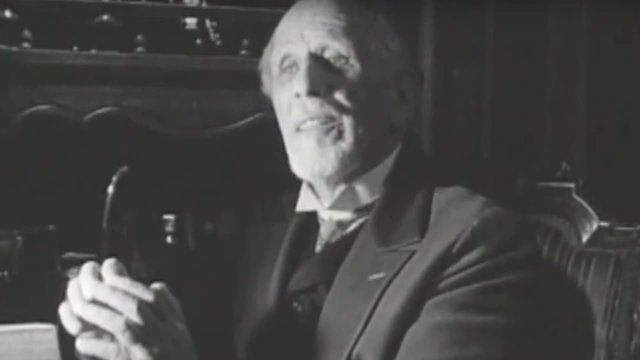
Jack Donner portrays the mysterious tenant who becomes the focal point in the protagonist’s life. This character is a man consumed by his own bizarre routines and a compulsive need to keep his living space cold—intensifying the film’s chilling atmosphere. Donner’s portrayal is captivating, imbuing his character with an unsettling blend of charm and menace. The audience is drawn into the complexities of his psyche and the deeper significance of his obsession with maintaining the perfect climate, which serves as both a literal and metaphorical barrier between him and the world outside.
Vera Lockwood rounds out the cast as a significant yet enigmatic character who adds depth to the narrative. Her interactions with the two men emphasize themes of fear, mistrust, and the fragility of human connection. The sparseness of her screen time contrasts sharply with the overarching sense of dread that permeates the film, as her presence leaves a lingering question about the true nature of fear and isolation.
The film's cinematography adds to the unsettling experience, brilliantly utilizing shadows, tight framing, and dim lighting to evoke a sense of claustrophobia and unease. The score complements this visual language, creating an auditory backdrop that enhances the feeling of dread. The sound is an essential element in building up tension; the mechanical whirring of the air conditioning, for instance, becomes a character in itself, amplifying the protagonist’s growing paranoia as he becomes more embroiled in his neighbor's enigmatic life.
As the narrative unfolds, Cool Air delves into themes of humanity's inherent fears, exploring the boundaries of rationality and the unknown. The writing captures the essence of Lovecraftian horror—imbued with existential dread and the fragility of the mind. The characters grapple with their own internal demons, as the lines blur between sanity and madness. The film poses poignant questions about isolation, the nature of fear, and the toll of creeping madness, drawing viewers to consider how these elements shape human experience.
Throughout the film, audience engagement is maintained through slow-building tension. The story escalates gradually, building suspense and intrigue as the protagonist digs deeper into the life and habits of his peculiar neighbor. This methodical pacing serves to create a gripping atmosphere, allowing viewers to feel the weight of isolation that the characters endure while also mirroring the psychological unraveling that accompanies their experiences.
Visually striking and psychologically unsettling, Cool Air effectively encapsulates the essence of Lovecraft's work while showcasing new interpretations of anxiety, existentialism, and alienation in a contemporary setting. The film offers a rich experience for fans of horror and psychological thrillers, immersing them in a foreboding world that remains unsettling long after the credits roll.
While the core of the film navigates the treacherous waters of human psyche and isolation, it doesn't shy away from the eerie ambiance that Lovecraft is synonymous with. With its splendid performances, particularly from Donner, Ford, and Lockwood, along with a gripping atmosphere that invites deep reflection, Cool Air reminds viewers of the all-encompassing power of fear and the often lonely battle that accompanies understanding oneself. As the last scene fades, the lingering effects of the film create a haunting impression—one that resonates with the primal fears each of us holds within our own minds.
6.4/10