

Bethel: Community and Schizophrenia in Northern Japan
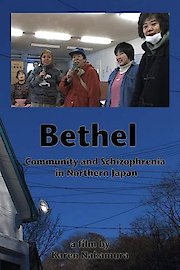
Bethel: Community and Schizophrenia in Northern Japan

Where to Watch Bethel: Community and Schizophrenia in Northern Japan

Bethel: Community and Schizophrenia in Northern Japan is an emotionally resounding and intellectually stimulating documentary released in 2007 that dives into the complex world of mental health, community support, and societal acceptance. Directed by acclaimed documentarian Karen Nakamura, this film explores the real-life experiences of individuals living with schizophrenia in rural Japan and the unique community space that offers them acceptance and holistic care.
Bethel is not just the title of the movie—it's the name of the groundbreaking institution located in rural Japan, specifically in the northern region of Hokkaido. Bethel is a fascinating community, partly a farm and partly a socio-medical establishment that was established to serve a dual purpose – offering organic farming experience and providing rehabilitation for individuals living with schizophrenia.
This provocative documentary critically investigates the conventional societal bias towards schizophrenia and offers an enlightening perspective on how communities can mobilize to create better living conditions and quality of life for those diagnosed with this condition. Bethel is seen as a beacon of hope for the mentally ill in Japan, where the topic of mental health is often surrounded by stigma and misunderstanding. Nakamura's distinctive approach encapsulates the lives of these individuals with respect, poignancy, and dignity.
The film adopts a unique narrative style, combining personal interviews and individual testimonies with a meditative exploration of daily life at Bethel, crafting an intimate and three-dimensional image of what life with schizophrenia looks like. This approach allows the audience to see past the stereotype of mental illness and witness the depth and complexity of the characters' experiences.
At the heart of the documentary are the unique characters—a spectrum of individuals with different backgrounds, personalities, and experiences, all united by their common diagnosis and their life at Bethel. They give viewers a raw perspective into their world - their struggles, victories, and all the beautiful mundane moments in between. It eloquently demonstrates that people living with schizophrenia are so much more than their diagnosis.
Critically, Bethel: Community and Schizophrenia in Northern Japan does not shy away from discussing the intricacies of mental healthcare in Japan nor the societal perceptions and misconceptions associated with it. By doing so, the film confronts the deep-seated stigma surrounding schizophrenia and mental illness in general. It raises pressing questions about our global understanding of mental health, the provision of care, and the role of society in perpetuating or battling these stigmas.
One of the film's critical accolades is its ability to highlight Japanese society's characteristics, particularly how the cultural, political, and even historical context affects mental healthcare's perception and delivery. From a Western perspective, the film serves as an eye-opener; it makes us reconsider how we perceive mental illness and challenges our preconceived notions about the East and how psychiatric disorders are addressed there.
Visually, the film takes full advantage of its pastoral setting, utilizing crisp and ambient cinematography, contributing a sense of calmness to the overall narrative. This placidity is disrupted by the stark juxtaposition of confessional-style interviews interspersed throughout, making for an effectively immersive and deeply engaging viewing experience.
Informative, poignant, and undeniably impactful, Bethel: Community and Schizophrenia in Northern Japan is a generative documentary resource. It serves not only to raise awareness about schizophrenia and other related conditions but acts as a testament to the resilience of the human spirit under challenging circumstance.
Furthermore, the film is an important contribution to discussions around mental health advocacy, showcasing how an accepting community, respect for individuality, and innovative, holistic approaches can create a haven of hope, healing, and acceptance. This movie, while it journeys deep into the Japanese countryside, is a universal story about the human condition's complexities that will resonate with audiences worldwide.