
Zift
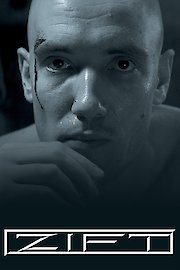
Zift
"The night of the man who chewed asphalt."
 7.2/10
Where to Watch Zift

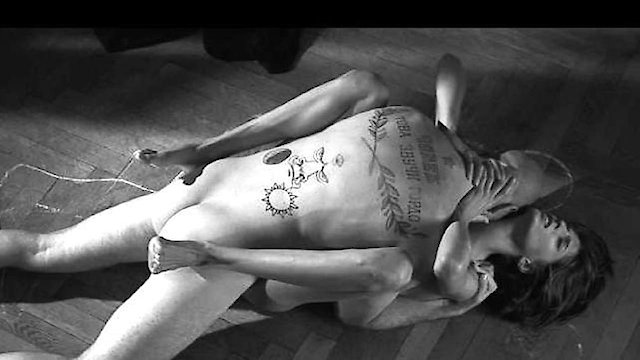
Zift is a 2008 Bulgarian film that captures the grim realities of the post-war era using a unique combination of dark humor, satirical components, and film noir aesthetics. From the very first frame, the striking black and white cinematography sets an intense mood, laying the groundwork for the captivating tale that is about to unfold.
Directed by Javor Gardev, the film introduces us to a world where corruption pierces every element of societal life, and the power of survival manifests in various forms, often blurring the lines between right and wrong. The screenplay is enlivened by a fascinating cast of characters headed by actors Zachary Baharov, Tanya Ilieva, and Vladimir Penev.
Zachary Baharov plays the character of Moth, the protagonist, an ex-convict who gets released from prison after being incarcerated for a crime he did not commit. Baharov delivers an outstanding performance, demonstrating a wide range of emotions, from deep despair to stubborn resolve. His character is intriguing and complex, matching perfectly with the layered narrative.
The lovely Tanya Ilieva portrays Ada, Moth's former lover, a woman of striking beauty whose mysterious persona becomes a vital part of the storyline. Ilieva's performance brings depth to Ada, creating a magnetic presence that the audience is drawn to, further adding to the film’s allure.
Rounding out the main cast is Vladimir Penev, who plays Van Wurst, a wealthy and influential man with his own sinister motives. Penev's portrayal is chilling, his character serving as the perfect antagonist to Baharov's Moth.
Throughout the film, director Gardev masterfully weaves a tale that seems to revolve around tragedy, deceit, and vengeance but is anchored by the great theme of survival. The influence of the film noir genre is evident in the dramatic lighting, offbeat camera angles, cynical voiceover narration, and the quintessential femme fatale.
However, what distinctly sets Zift apart is its underlying wit and irony. The screenplay injects humor through absurdity and sarcastic comments, dampening the intensity of the noir atmosphere at just the right moments. This is where Gardev's theatrical background truly shines, lending an auxiliary layer of complexity to an already multifaceted narrative.
Furthermore, the film seeks to reflect societal issues prevalent during the period it is set in, displaying the director's incredible ability to capture the essence of time and place. The backdrop of post-war Bulgaria serves as an effective mise-en-scène, stagecrafting the society, cynicism, and moral ambiguity in a manner that aligns with classic film noir.
Aside from the storyline and performances, the cinematography and music also play a huge role. The black and white imagery, coupled with the stunning visual composition designed by cinematographer Emil Christov, introduce the audience to a world of mystery and suspense, magnifying the thrill at every turn.
Similarly, the music by Kalin Nikolov adds a layer of intrigue and suspense, contributing significantly to the overall impact of the film. The unconventional composition, layered with modern and traditional motifs, seeps under your skin, perfectly capable of invoking elation and despair, suspense and relief, in the right proportions.
At its core, Zift is a thrilling cinematic experience that brings together an ensemble of multifaceted characters, a gripping narrative, spectacular performances, and impressive filmmaking techniques. The film, while firmly rooted in the noir tradition, comes across as fresh and distinctive because of its unique take on the genre, which combines social satire, black humor, and stark realism.
In conclusion, Zift features an intricate web of deception, betrayal, and survival underpinned by splendidly executed noir aesthetics, all tightly packaged within a socio-political narrative focused on post-war Bulgaria. It is a must-watch for film aficionados who appreciate stylized storytelling and impressive filmmaking.
7.2/10